
Imagine a world where your commute is powered by the sun, silent and clean, contributing zero emissions to the air you breathe. It's not a futuristic fantasy; it's a rapidly approaching reality as solar-powered mobility solutions begin to redefine transport networks across the globe.
Solar-powered mobility represents a fundamental shift in how we think about transportation, moving away from fossil fuels and towards renewable energy sources. This isn't just about individual solar cars, although those are part of the picture. It encompasses a broader ecosystem of solar-integrated transport solutions, including electric vehicles charged by solar power, solar-powered public transit, and even solar-assisted infrastructure for trains and aircraft. This transition offers enormous potential to decarbonize the transportation sector, reduce air pollution, and create more sustainable and resilient transportation networks. For you, this means cleaner air, quieter streets, and a future where your everyday travel contributes to a healthier planet.
Here’s a practical point: Even if you're not ready to buy a solar-powered car, you can still embrace this transition. Consider advocating for solar charging stations in your community, supporting policies that incentivize renewable energy adoption, or even investing in renewable energy credits to offset your carbon footprint. Every small step contributes to a larger movement towards a solar-powered future.
The Rise of Solar-Powered Vehicles
The most visible aspect of solar-powered mobility is the development of solar-powered electric vehicles (EVs). These vehicles incorporate solar panels directly onto their surfaces, allowing them to generate electricity while driving or parked. While current solar EVs aren't entirely reliant on solar power alone – they also have batteries that can be charged from the grid – they offer a significant advantage in terms of reducing reliance on traditional charging infrastructure and extending driving range.
Several companies are at the forefront of this innovation, pushing the boundaries of solar EV technology. Lightyear, for example, has developed vehicles with integrated solar panels across the hood, roof, and trunk, maximizing solar energy capture. Aptera Motors is another notable player, focusing on ultra-efficient designs that minimize energy consumption and maximize the impact of solar power.
These vehicles aren't just prototypes; they represent a viable path towards more sustainable personal transportation. As solar panel technology continues to improve in efficiency and decrease in cost, solar EVs will become increasingly practical and affordable, offering a compelling alternative to traditional gasoline-powered cars and even conventional EVs that rely solely on grid electricity.
Solar-Powered Public Transportation
Beyond individual vehicles, solar power is also transforming public transportation systems. Solar-powered buses, trains, and even ferries are emerging as viable solutions for reducing emissions and improving the sustainability of urban mobility.
Many cities are already implementing solar-powered bus fleets, using solar panels installed on bus rooftops or at bus depots to charge electric buses. This approach not only reduces reliance on fossil fuels but also lowers operating costs for transit agencies.
Similarly, solar power can be integrated into railway systems. Solar panels can be installed along railway tracks or on train station rooftops to generate electricity for powering electric trains and station facilities. This can significantly reduce the carbon footprint of rail travel, making it a more sustainable option for long-distance transportation.
Even marine transportation is embracing solar power. Solar-powered ferries and boats are being developed for use in harbors, rivers, and coastal areas. These vessels offer a clean and quiet alternative to traditional diesel-powered boats, reducing pollution and noise in sensitive marine environments.
Solar-Powered Charging Infrastructure
The widespread adoption of electric vehicles, whether solar-powered or grid-charged, requires a robust charging infrastructure. Solar power can play a critical role in creating a more sustainable and resilient charging network.
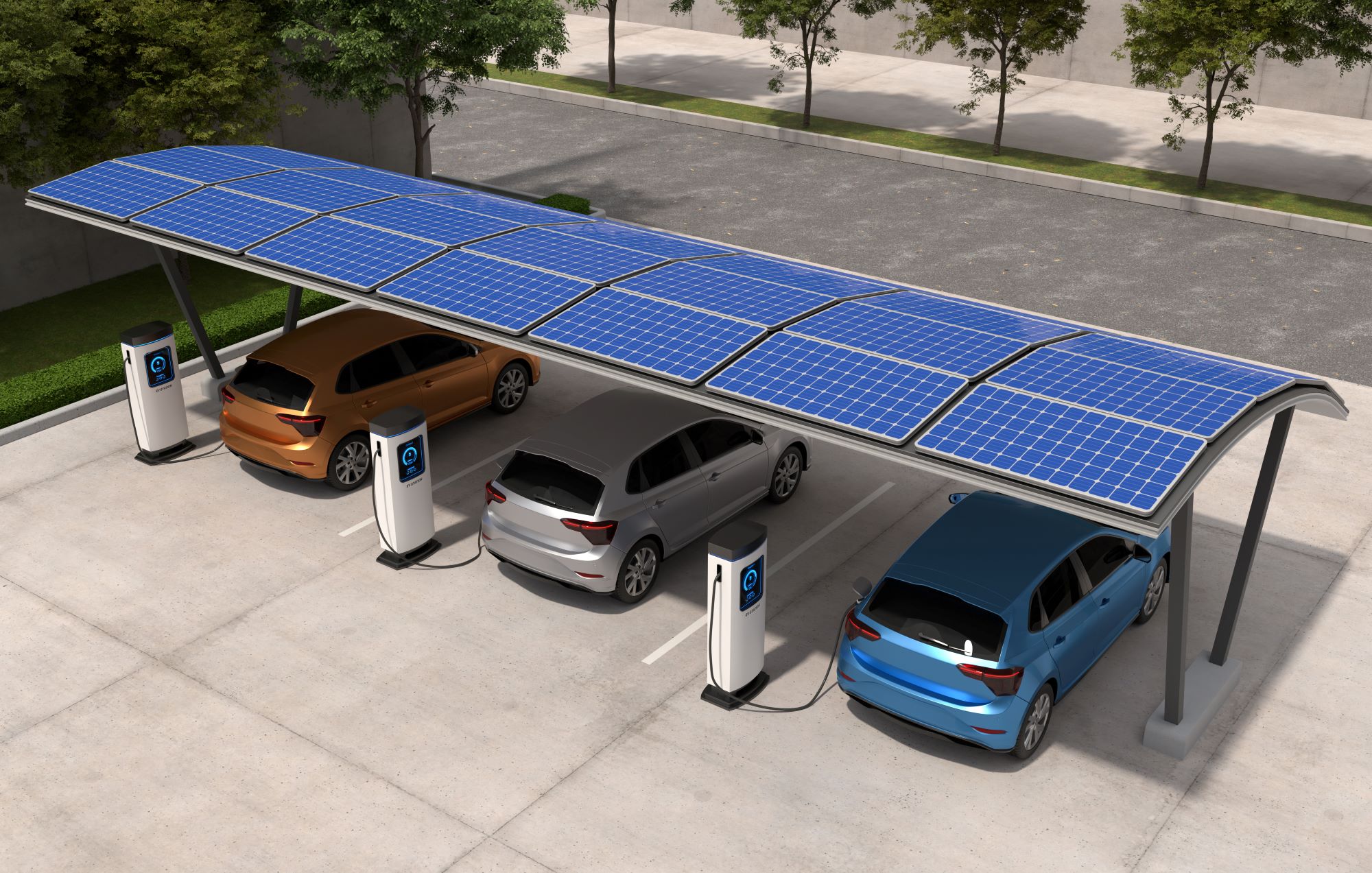
Solar-powered charging stations are becoming increasingly common, offering EV drivers the option to charge their vehicles with clean electricity directly from the sun. These stations can be stand-alone units or integrated into existing buildings and parking lots. They often include battery storage systems to ensure that electricity is available even when the sun isn't shining.
In addition to public charging stations, solar power can also be used to power residential EV chargers. Homeowners can install solar panels on their roofs and use the generated electricity to charge their EVs, further reducing their reliance on the grid and lowering their electricity bills.
The integration of solar power into charging infrastructure not only reduces emissions but also enhances the resilience of the grid. By generating electricity locally, solar-powered charging stations can reduce the strain on the grid and provide a backup power source during outages.
Overcoming Challenges and Looking Ahead
While solar-powered mobility offers enormous potential, there are also challenges that need to be addressed to ensure its widespread adoption.
One challenge is the limited amount of solar energy that can be captured by vehicles. Solar panels on car roofs can only generate a limited amount of electricity, which may not be sufficient to meet all of a vehicle's energy needs, especially during cloudy days or in areas with limited sunlight. Battery technology also needs continued improvement to maximize range and reduce charging times.
Another challenge is the cost of solar technology. While the cost of solar panels has decreased significantly in recent years, it is still relatively high compared to traditional energy sources. Governments, private companies, and research institutions all play a crucial role in further reducing costs through incentives, innovation, and improved manufacturing processes.
Despite these challenges, the future of solar-powered mobility looks bright. As technology advances and costs decrease, solar power will play an increasingly important role in transforming transport networks and creating a more sustainable and resilient transportation system.
People Also Ask:
What are the main benefits of solar-powered mobility?
The main benefits include reduced reliance on fossil fuels, lower emissions, decreased air pollution, reduced operating costs, and enhanced energy independence. Solar mobility contributes to a cleaner and healthier environment while also promoting economic sustainability.
How does solar-powered mobility contribute to decarbonization?
By replacing fossil fuel-powered vehicles with solar-powered alternatives, we directly reduce carbon emissions from the transportation sector. Solar energy provides a clean and renewable source of electricity, minimizing the carbon footprint of transportation and contributing to global decarbonization efforts.
What role can governments play in promoting solar-powered mobility?
Governments can play a critical role by implementing policies that incentivize the adoption of solar-powered mobility, such as tax credits for solar EV purchases, subsidies for solar charging infrastructure, and regulations that promote the use of renewable energy in transportation.
The Path to a Cleaner Future
The transition to solar-powered mobility is an essential step towards a cleaner, more sustainable future. By embracing solar energy in transportation, we can reduce our reliance on fossil fuels, mitigate climate change, and create healthier communities.
This transition requires a collective effort from individuals, businesses, and governments. By investing in solar technology, advocating for supportive policies, and making conscious choices about our transportation options, we can all contribute to a solar-powered future.
The road ahead may have its challenges, but the potential rewards are immense. With continued innovation and collaboration, we can create a transport network that is powered by the sun, silent, clean, and sustainable for generations to come. Have confidence that your choices, big or small, can make a real difference in shaping a brighter tomorrow.