
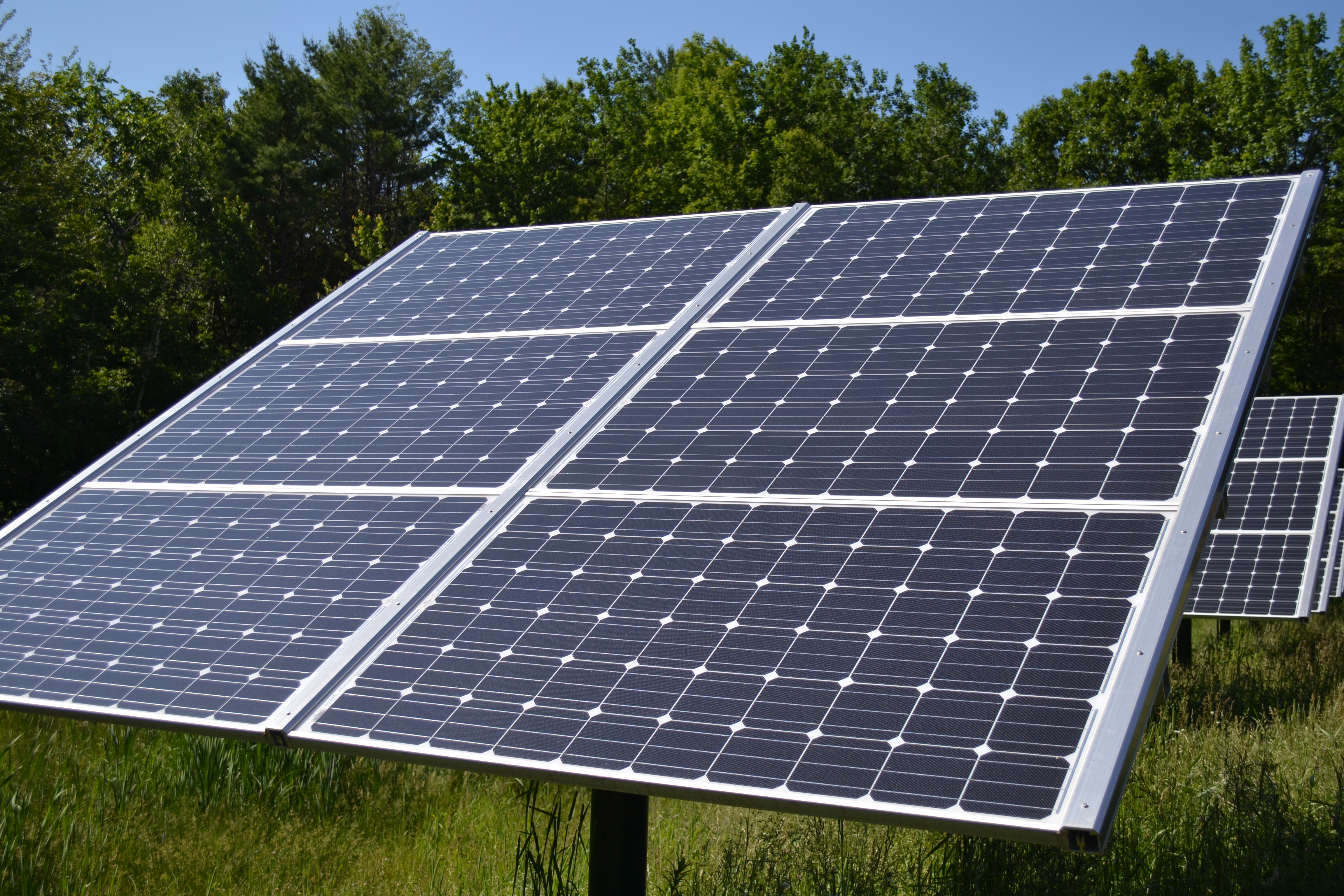
Imagine a world where communities aren’t just surviving climate change, but thriving because of it. A world powered by resilience, innovation, and a readily available source of clean electricity: the sun. It’s not a utopian fantasy, but a tangible future we can build today, powered by solar.
The concept of climate-resilient economies is rapidly gaining traction, and for good reason. It's about creating economic systems that can withstand the shocks and stresses of a changing climate – from extreme weather events to resource scarcity. Solar power isn't just a part of the solution; it's a cornerstone. By diversifying energy sources and reducing reliance on fossil fuels, solar provides a buffer against volatile global markets and the environmental consequences that exacerbate climate change. It offers energy independence and empowers communities to control their own destinies.
Here's a practical perspective: think about microgrids powered by solar and battery storage. These decentralized systems can provide reliable power to remote communities, hospitals, and critical infrastructure, even when the main grid goes down due to storms or other climate-related disruptions. This localized approach not only enhances energy security but also creates local jobs and stimulates economic growth from the ground up.
How Solar Fortifies Economies Against Climate Change
Solar power contributes to climate-resilient economies in several interconnected ways. It’s more than simply generating clean electricity; it’s about fostering stability, promoting innovation, and ensuring a more equitable future for all.
Diversified Energy Sources: Over-reliance on single energy sources, particularly fossil fuels, makes economies vulnerable to price fluctuations and supply disruptions, which can be amplified by climate change. Solar diversifies the energy mix, reducing this vulnerability and creating a more stable foundation. Imagine island nations, particularly susceptible to rising sea levels and extreme weather, becoming energy independent through solar, shielding them from the impacts of global energy markets and climate-related disasters.
Decentralized Energy Production: Traditional centralized power grids are often susceptible to widespread outages during extreme weather events. Solar, especially when combined with battery storage, enables decentralized energy production. This means that communities can generate their own power, reducing their dependence on the main grid and increasing their resilience to climate-related disruptions. This can be especially vital for critical infrastructure like hospitals and emergency services.
Reduced Greenhouse Gas Emissions: This is perhaps the most obvious benefit, but it's crucial to reiterate. Solar power drastically reduces greenhouse gas emissions compared to fossil fuels, mitigating the effects of climate change and lessening the severity of future climate-related impacts. A transition to renewable energy, with solar at its heart, is fundamental to achieving a sustainable transition and a more stable climate.
Economic Growth and Job Creation: The solar industry is a significant driver of economic growth and job creation. From manufacturing and installation to maintenance and research, the solar sector provides diverse employment opportunities. This is particularly important in communities that are transitioning away from fossil fuel industries, offering a pathway to a more sustainable and prosperous future.
Enhanced Energy Security: Solar power reduces dependence on imported fossil fuels, enhancing a nation's energy security. This is particularly important for countries that are heavily reliant on foreign energy sources, making them vulnerable to geopolitical instability and price volatility. Solar provides a domestic source of energy, strengthening national security and economic stability.
Improved Public Health: The air pollution associated with fossil fuel combustion has significant public health consequences. Solar power reduces air pollution, leading to improved air quality and public health outcomes. This translates to reduced healthcare costs and a healthier, more productive workforce.
People Also Ask: (FAQs)
How does solar power help in disaster recovery?
Solar power, particularly when paired with battery storage, can be a lifeline during disaster recovery. Microgrids powered by solar can provide electricity to essential services, such as hospitals, shelters, and communication centers, when the main grid is down. Solar-powered water purification systems can also provide clean drinking water, which is crucial in the aftermath of a disaster.
What are the challenges to scaling up solar for climate resilience?
While solar offers significant benefits, there are challenges to overcome in scaling it up for climate resilience. These include: Intermittency: Solar power generation is dependent on sunlight, which can be intermittent due to weather conditions. Energy storage solutions, such as batteries, are crucial for addressing this challenge. Land Use: Large-scale solar farms can require significant land areas. Careful planning and siting are essential to minimize environmental impacts and potential conflicts with other land uses. Grid Integration: Integrating large amounts of solar power into the existing grid can require upgrades and modifications to ensure grid stability and reliability. Upfront Costs: While the cost of solar has decreased dramatically in recent years, the upfront investment can still be a barrier for some communities and individuals.
What policies can support the development of climate-resilient solar infrastructure?
Several policies can support the development of climate-resilient solar infrastructure: Incentives and Subsidies: Tax credits, rebates, and other financial incentives can encourage investment in solar power. Net Metering Policies: Net metering allows solar customers to sell excess electricity back to the grid, providing them with financial benefits and incentivizing solar adoption. Renewable Energy Standards: Renewable energy standards require utilities to generate a certain percentage of their electricity from renewable sources, driving demand for solar power. Grid Modernization Policies: Policies that support grid modernization can facilitate the integration of solar power and improve grid resilience. Energy Storage Mandates:Mandates for energy storage can help address the intermittency of solar power and enhance grid stability.
Solar Innovation Driving Resilience
The field of solar technology is constantly evolving, with new innovations emerging that further enhance its potential for climate resilience. These advancements are making solar more efficient, affordable, and adaptable to diverse environments.
Perovskite Solar Cells: These next-generation solar cells offer the potential for higher efficiency and lower production costs compared to traditional silicon-based solar cells. They are also more flexible and lightweight, making them suitable for a wider range of applications. Floating Solar Farms: These solar farms are installed on bodies of water, such as lakes and reservoirs. They can be a good option in areas where land is scarce and can also help reduce water evaporation. Building-Integrated Photovoltaics (BIPV): BIPV systems integrate solar cells into building materials, such as roofs and facades. This allows buildings to generate their own electricity, reducing their reliance on the grid and lowering their carbon footprint. Advanced Battery Storage: Advancements in battery technology are leading to more efficient, affordable, and durable energy storage systems. This is crucial for addressing the intermittency of solar power and enabling its wider adoption. Smart Grids:Smart grids use advanced technologies to monitor and control the flow of electricity, improving grid efficiency and reliability. They can also facilitate the integration of renewable energy sources, such as solar.
Community Empowerment Through Solar
Solar power isn't just a technological solution; it's a tool for community empowerment. By enabling communities to generate their own clean electricity, solar can create local jobs, boost local economies, and foster a sense of ownership and resilience.
Community Solar Projects: Community solar projects allow multiple households or businesses to share the benefits of a single solar installation. This is a great option for people who cannot install solar panels on their own roofs, such as renters or those with shaded roofs. Solar Co-ops: Solar co-ops are groups of individuals who pool their resources to purchase solar panels together, often at a discounted price. This can make solar more affordable and accessible to a wider range of people. Solar Training Programs: Solar training programs provide individuals with the skills and knowledge needed to work in the solar industry. These programs can create local jobs and support the growth of the solar sector. Energy Justice Initiatives: Energy justice initiatives aim to ensure that all communities have access to affordable, clean energy. These initiatives often focus on addressing the energy burden faced by low-income communities and communities of color.
The Path Forward: A Solar-Powered Future
Building climate-resilient economies with solar power requires a concerted effort from governments, businesses, and individuals. By investing in solar technology, supporting supportive policies, and empowering communities, we can unlock the full potential of solar to create a more sustainable, equitable, and resilient future.
The transition to a clean energy economy won't happen overnight, but every step we take towards solar power brings us closer to a future where economies can not only withstand the challenges of climate change, but thrive in the face of them. The power to build that future is within our reach. Let's harness the sun's energy and create a brighter tomorrow, together.