
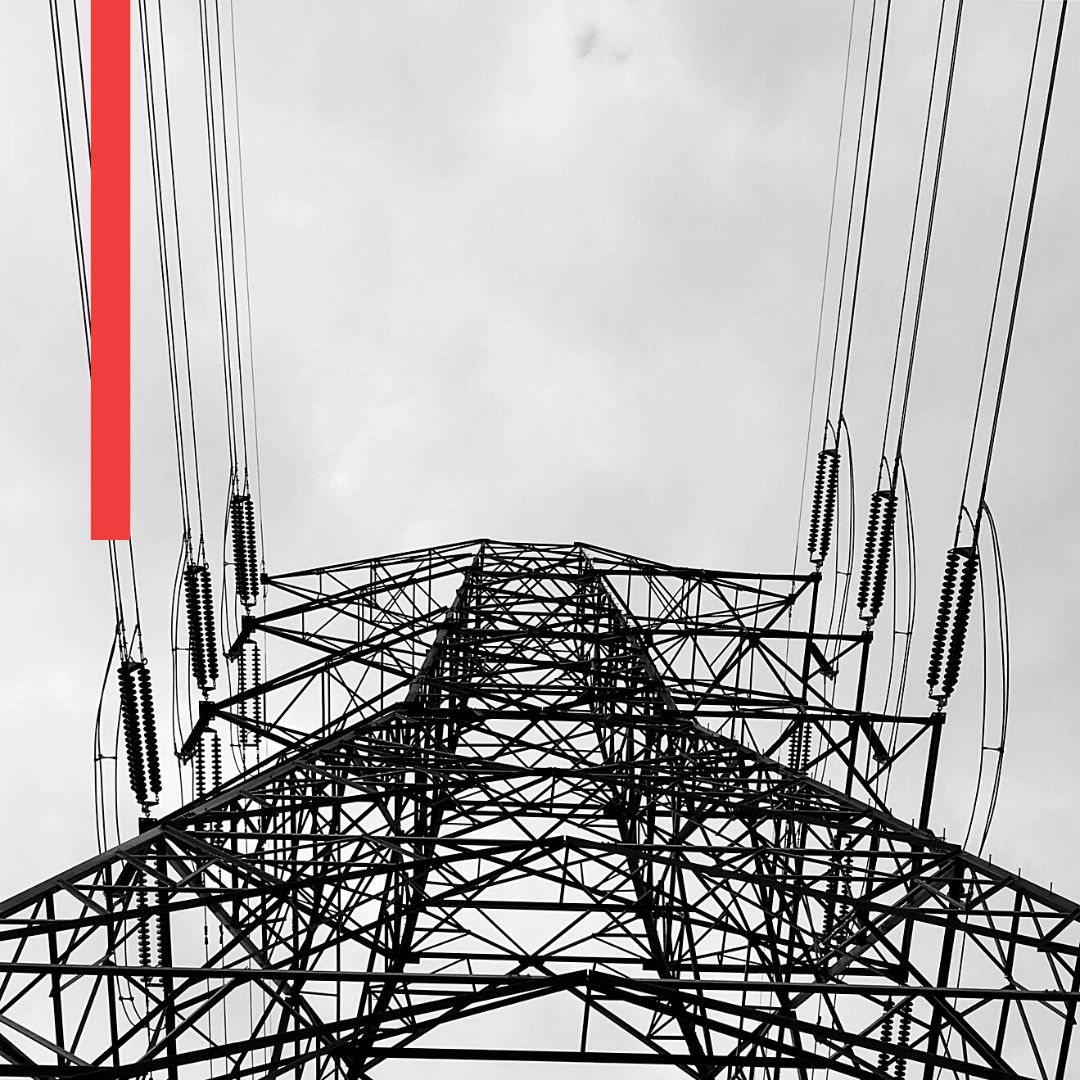
Imagine a world where the hum of our electrical grid isn't a constant worry, where power outages are a rarity, and our energy future is secure and sustainable. This vision isn't a pipe dream; it's a future within reach, powered by the sun.
The integration of solar power isn't just about embracing renewable energy; it's a strategic move to alleviate the immense pressure on our aging power grids. These grids, often decades old, are struggling to keep up with increasing energy demands and the challenges of climate change. Solar energy offers a distributed, resilient, and clean alternative that can revitalize our electricity infrastructure and ensure a more reliable energy supply for everyone. One key aspect of this transition involves understanding how solar installations, especially at the residential and commercial level, interact with the grid to balance supply and demand, ultimately extending the lifespan and improving the stability of our existing infrastructure.
A practical step homeowners can take to become part of the solution is to explore net metering programs offered by their local utility companies. Net metering allows you to receive credit on your electricity bill for any excess solar energy your system sends back to the grid. This not only reduces your own energy costs but also helps to supplement the grid's supply during peak demand periods, easing the burden on the overall system and making solar energy even more attractive.
The Vulnerabilities of Aging Power Grids
Our power grids, the intricate networks that deliver electricity to our homes and businesses, are facing a growing crisis. Many were built in the mid-20th century and are now operating far beyond their intended lifespan. This age leads to several vulnerabilities: Increased Outages: Aging equipment is more prone to failure, leading to more frequent and longer-lasting power outages. These outages can disrupt daily life, impact businesses, and even pose safety risks. Capacity Constraints: As energy demand continues to rise, our grids are struggling to keep up. This can lead to brownouts or blackouts, especially during peak usage times like summer afternoons when air conditioners are running full blast. Security Risks: Outdated grid infrastructure is more vulnerable to cyberattacks. A successful attack could cripple the grid, causing widespread disruption and potentially impacting critical infrastructure. Inefficiency: Aging grids are less efficient, resulting in significant energy losses during transmission. This wasted energy contributes to higher electricity costs and increased carbon emissions.
The urgency to address these vulnerabilities is clear. Continuing to rely solely on these aging systems puts our communities and our economy at risk. We need a comprehensive strategy that includes upgrading existing infrastructure and investing in innovative solutions like solar power.
How Solar Power Acts as a Grid Stabilizer
Solar power offers a multi-faceted solution to the challenges facing our aging power grids. By integrating solar energy into the grid, we can: Reduce Peak Demand: Solar panels generate the most electricity during the day, precisely when demand is highest. This helps to offset the need for expensive and polluting peak power plants, reducing strain on the grid and lowering electricity costs. Distribute Energy Generation: Solar energy can be generated at the point of consumption, whether it's a rooftop solar panel or a community solar farm. This distributed generation reduces the need to transmit electricity over long distances, minimizing energy losses and improving grid resilience. Improve Grid Reliability: Solar power can be integrated with battery storage systems to provide backup power during outages. These systems can also help to stabilize the grid by providing ancillary services like frequency regulation. Defer Infrastructure Upgrades: By reducing demand and distributing generation, solar power can help to extend the lifespan of existing grid infrastructure. This can save billions of dollars in avoided upgrade costs.
The impact of solar power on grid stability is already being seen in many parts of the country. For example, California, a leader in solar energy adoption, has been able to significantly reduce its reliance on fossil fuels and improve grid reliability thanks to its robust solar infrastructure. As more states and communities embrace solar power, the benefits for our grids will continue to grow.
Solar Power and Microgrids: A Powerful Combination
One of the most promising applications of solar power for grid resilience is its integration with microgrids. Microgrids are localized energy grids that can operate independently from the main grid. They typically include a mix of renewable energy sources, such as solar and wind, as well as battery storage and backup generators.
Microgrids offer several advantages for grid stability: Increased Resilience: Microgrids can continue to operate even when the main grid is down, providing a reliable source of power for critical facilities like hospitals, emergency services, and data centers. Improved Efficiency: Microgrids can optimize energy use by matching local generation with local demand. This reduces energy losses and lowers electricity costs. Enhanced Control:Microgrids provide greater control over energy resources, allowing communities to manage their own energy supply and reduce their dependence on external sources.
By combining solar power with microgrids, we can create a more resilient and sustainable energy system. These localized grids can act as building blocks for a larger, more distributed grid that is less vulnerable to outages and more capable of meeting the challenges of the 21st century.
People Also Ask:
What is the role of battery storage in integrating solar power with the grid?
Battery storage is essential for maximizing the benefits of solar power for grid stability. Batteries can store excess solar energy generated during the day and release it when demand is high or when the sun isn't shining. This helps to smooth out the variability of solar power and provide a more reliable source of energy for the grid.
How can governments incentivize the adoption of solar power to support grid modernization?
Governments can play a crucial role in promoting solar energy adoption through a variety of incentives, including tax credits, rebates, grants, and net metering policies. These incentives can help to lower the upfront cost of solar installations and make them more accessible to homeowners and businesses. Additionally, governments can invest in grid modernization projects that facilitate the integration of solar power and other renewable energy sources.
What are the potential economic benefits of using solar power to reduce strain on aging power grids?
Investing in solar power and grid modernization can create significant economic benefits, including job creation in the renewable energy sector, reduced energy costs for consumers and businesses, and increased energy independence. By reducing our reliance on fossil fuels, we can also lower carbon emissions and improve air quality, leading to significant health benefits and reduced healthcare costs.
Policy and Investment: Driving the Solar Revolution
To fully realize the potential of solar power for grid stabilization, we need a supportive policy environment and strategic investments. This includes: Renewable Energy Standards: Setting ambitious renewable energy standards can drive demand for solar power and other renewable energy sources. Grid Modernization Investments: Investing in upgrades to existing grid infrastructure can facilitate the integration of solar power and improve grid reliability. Incentives for Energy Storage: Providing incentives for battery storage systems can help to smooth out the variability of solar power and provide a more reliable source of energy for the grid. Streamlined Permitting Processes: Simplifying the permitting process for solar installations can reduce costs and encourage faster adoption.
By creating a level playing field for solar power and other renewable energy sources, we can accelerate the transition to a cleaner, more resilient, and more affordable energy future. This requires collaboration between governments, utilities, and the private sector to develop innovative solutions and deploy them at scale.
The Future is Bright: Solar as a Cornerstone of Grid Resilience
The path to a more reliable and sustainable energy future is paved with solar power. By embracing this clean and versatile energy source, we can alleviate the strain on our aging power grids, reduce our reliance on fossil fuels, and build a more resilient energy system for generations to come. The transition may seem daunting, but the benefits are undeniable. Every solar panel installed, every microgrid connected, and every policy implemented brings us closer to a brighter, more secure energy future where the sun powers our lives and protects our planet. You are part of this positive change, and together, we can build a future where clean, reliable energy is accessible to all.