
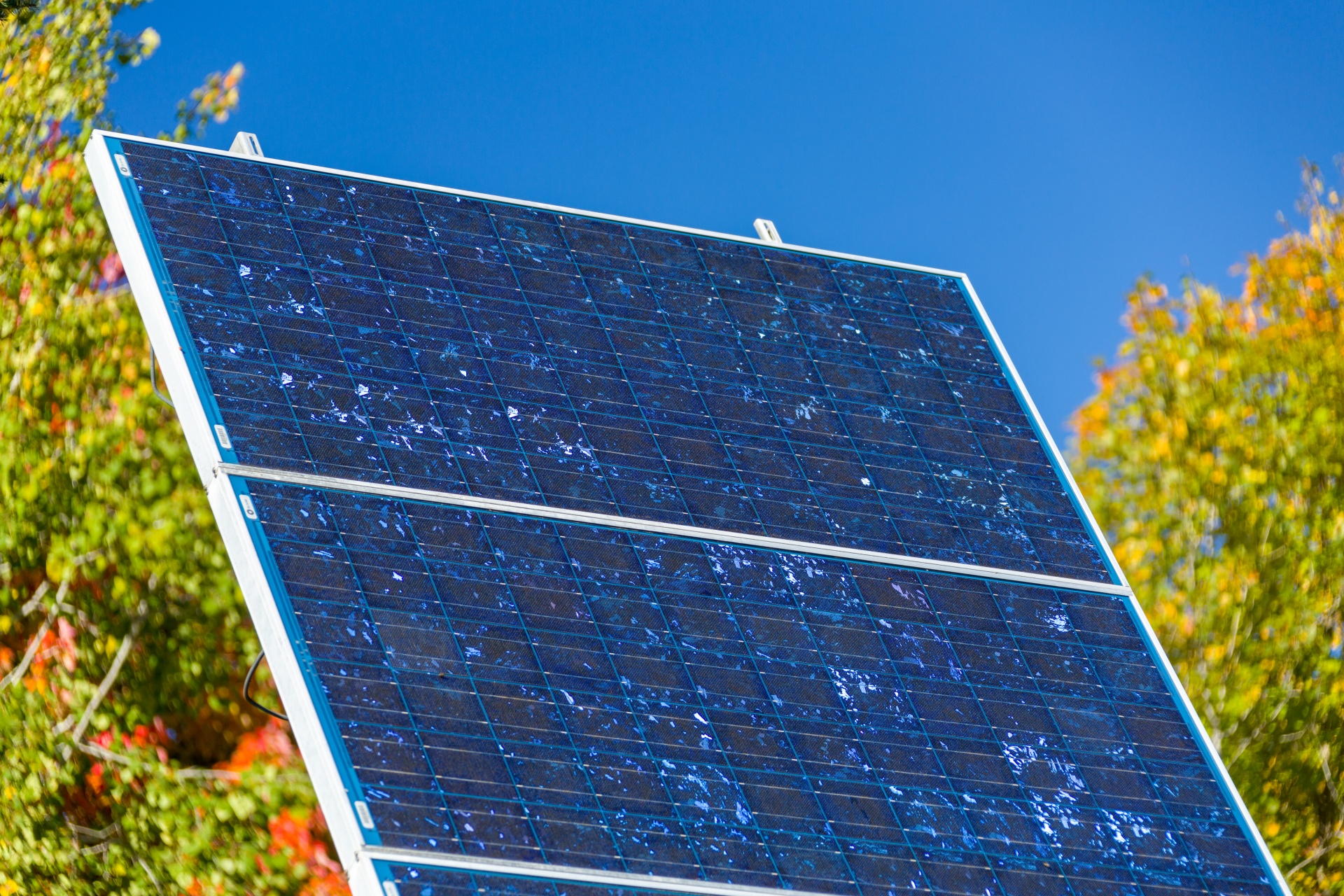
Imagine a world where access to reliable electricity isn't a privilege, but a given. A world where schools can stay open late, hospitals can run life-saving equipment without interruption, and small businesses can thrive, all powered by the sun. This isn't a utopian dream; it's a future increasingly within reach, thanks to the transformative potential of solar power in developing nations.
Solar power isn't just about clean energy; it's a critical pathway to energy security, a fundamental building block for economic growth and social progress. For many developing countries, dependence on imported fossil fuels creates vulnerability to volatile global markets, price fluctuations, and geopolitical instability. Solar energy offers a decentralized, domestically sourced alternative that can shield nations from these external pressures, empowering them to control their own energy destinies. Understanding how solar contributes to energy independence is crucial for anyone invested in a sustainable and equitable future. One practical step anyone can take is to support local initiatives and businesses that are championing solar energy adoption in developing communities, whether through direct investment, awareness campaigns, or advocating for supportive policies.
Why Energy Security Matters
Energy security is more than just keeping the lights on. It's about ensuring a stable and affordable energy supply that supports all aspects of modern life. For developing nations, the lack of reliable electricity hinders everything from education and healthcare to economic development and social well-being. Dependence on imported fossil fuels exposes these countries to several risks: Price Volatility: Global oil and gas prices are notoriously unpredictable. Sudden price spikes can cripple economies, forcing governments to divert scarce resources away from essential services. Supply Disruptions: Geopolitical instability, natural disasters, or infrastructure failures can disrupt fuel supplies, leading to power outages and economic losses. Currency Fluctuations: Many developing countries rely on US dollars to purchase fossil fuels. A weakening local currency can make imports more expensive, further straining already tight budgets. Environmental Concerns: Burning fossil fuels contributes to air pollution and greenhouse gas emissions, exacerbating the effects of climate change, which disproportionately impacts developing nations.
Solar power offers a way out of this cycle of dependence and vulnerability. By harnessing the sun's abundant energy, developing countries can reduce their reliance on imported fuels, stabilize energy prices, and build more resilient economies. This is particularly true in regions with abundant sunshine, where solar resources are readily available.
The Solar Solution: Decentralized Power and Resilience
Solar power's decentralized nature is a game-changer for energy security in developing nations. Unlike large-scale fossil fuel plants that require extensive transmission infrastructure, solar installations can be deployed in a variety of configurations, from individual household systems to community microgrids. This decentralization offers several key advantages: Reduced Transmission Losses: Long-distance transmission of electricity can result in significant energy losses. Decentralized solar generation minimizes these losses by generating power closer to where it is needed. Improved Grid Reliability: A distributed solar network is more resilient to disruptions than a centralized system. If one solar installation goes offline, the impact on the overall grid is minimal. Increased Access to Electricity: Solar home systems and microgrids can bring electricity to remote and underserved communities that are not connected to the main grid. This is particularly important in rural areas where extending the grid is often prohibitively expensive. Empowerment and Local Ownership: Solar projects can create local jobs and empower communities to take control of their energy future. This fosters a sense of ownership and responsibility, ensuring the long-term sustainability of the projects.
Furthermore, solar power complements other renewable energy sources. Hybrid systems that combine solar with wind, hydro, or biomass can provide a more reliable and diversified energy supply, enhancing energy security even further.
Overcoming Challenges to Solar Adoption
While solar power offers immense potential, several challenges must be addressed to accelerate its adoption in developing nations: High Upfront Costs: The initial investment in solar technology can be a barrier for many individuals and communities. Innovative financing mechanisms, such as microloans, pay-as-you-go models, and government subsidies, are needed to make solar more affordable. Lack of Technical Expertise: Installing and maintaining solar systems requires specialized skills. Investing in training and education programs is essential to build a local workforce capable of supporting the solar industry. Policy and Regulatory Barriers: Unclear or inconsistent policies can hinder solar development. Governments need to create supportive regulatory frameworks that encourage investment, streamline permitting processes, and promote grid integration of solar power. Awareness and Education: Many people in developing countries are unfamiliar with solar technology and its benefits. Public awareness campaigns are needed to educate communities about the advantages of solar and dispel any misconceptions. Land Use Considerations:Large-scale solar farms require significant land areas, which can raise concerns about land use conflicts. Careful planning and community engagement are essential to ensure that solar projects are developed in a sustainable and equitable manner.
Addressing these challenges requires a collaborative effort involving governments, businesses, civil society organizations, and international partners. By working together, we can unlock the full potential of solar power to transform energy systems and improve the lives of millions in developing nations.
People Also Ask
How can solar power help reduce poverty in developing countries?
Access to reliable and affordable electricity, provided by solar power, directly contributes to poverty reduction. It enables income-generating activities, improves education and healthcare, and creates new economic opportunities. For example, solar-powered irrigation systems can increase agricultural yields, while solar-powered lighting allows small businesses to extend their operating hours.
What are the environmental benefits of using solar energy instead of fossil fuels?
Solar energy is a clean and sustainable energy source that produces no greenhouse gas emissions, unlike fossil fuels. By replacing fossil fuels with solar power, developing countries can significantly reduce their carbon footprint and mitigate the effects of climate change. Solar also avoids the air and water pollution associated with fossil fuel extraction and combustion, improving public health and protecting the environment.
What role can international organizations play in promoting solar energy in developing nations?
International organizations, such as the United Nations, the World Bank, and the International Renewable Energy Agency (IRENA), play a crucial role in supporting solar energy development in developing countries. They can provide technical assistance, mobilize financing, promote policy reforms, and facilitate knowledge sharing. They can also help to create a level playing field for solar energy by advocating for the removal of subsidies for fossil fuels.
Financing the Solar Transition
Securing adequate financing is essential to drive the solar transition in developing nations. Traditional financing models often fall short due to perceived risks and lack of access to capital. Innovative financing mechanisms are needed to overcome these barriers: Microfinance: Microloans can enable individuals and small businesses to purchase solar home systems and other small-scale solar solutions. Pay-As-You-Go (PAYG) Models: PAYG systems allow customers to pay for solar electricity on a per-use basis, making it more affordable for low-income households. Green Bonds: Green bonds can attract private investment to renewable energy projects by offering investors a socially responsible investment opportunity. Carbon Finance: Carbon credits generated by solar projects can be sold to developed countries or companies seeking to offset their emissions, providing an additional revenue stream for project developers. Public-Private Partnerships (PPPs): PPPs can leverage the expertise and resources of both the public and private sectors to develop large-scale solar projects. Philanthropic Funding: Foundations and charitable organizations can provide grants and other forms of support to solar projects in developing countries.
By combining these different financing mechanisms, it is possible to mobilize the capital needed to accelerate solar adoption and achieve universal energy access.
Policy Recommendations for a Solar-Powered Future
Governments in developing nations can play a critical role in creating a supportive policy environment for solar energy: Set Ambitious Renewable Energy Targets: Setting clear and ambitious targets for renewable energy deployment sends a strong signal to investors and creates a predictable market for solar power. Implement Feed-in Tariffs (FITs): FITs guarantee a fixed price for electricity generated from renewable sources, providing a stable revenue stream for solar project developers. Offer Tax Incentives and Subsidies: Tax credits, rebates, and other financial incentives can reduce the upfront cost of solar systems and make them more attractive to consumers and businesses. Streamline Permitting Processes: Lengthy and complex permitting processes can delay solar projects and increase their costs. Governments should simplify and expedite these processes to encourage solar development. Promote Net Metering: Net metering allows solar system owners to sell excess electricity back to the grid, reducing their energy bills and encouraging the adoption of solar power. Invest in Grid Infrastructure: Upgrading and expanding grid infrastructure is essential to accommodate the increasing penetration of solar energy. This includes investments in smart grids and energy storage technologies. Establish Quality Standards and Certification Programs: Setting quality standards for solar equipment and certifying installers ensures that solar systems are safe, reliable, and efficient. Promote Local Manufacturing: Supporting the development of a local solar manufacturing industry can create jobs, reduce costs, and enhance energy security.
By implementing these policy recommendations, governments can create a favorable environment for solar energy and unlock its full potential to drive economic development, improve social well-being, and protect the environment.
The path to energy security in developing nations is illuminated by the sun. While challenges remain, the opportunities are vast. By embracing solar power, these countries can break free from dependence on fossil fuels, build more resilient economies, and create a brighter future for their citizens. With dedication, innovation, and collaboration, a solar-powered world is not just possible, but within our grasp.