
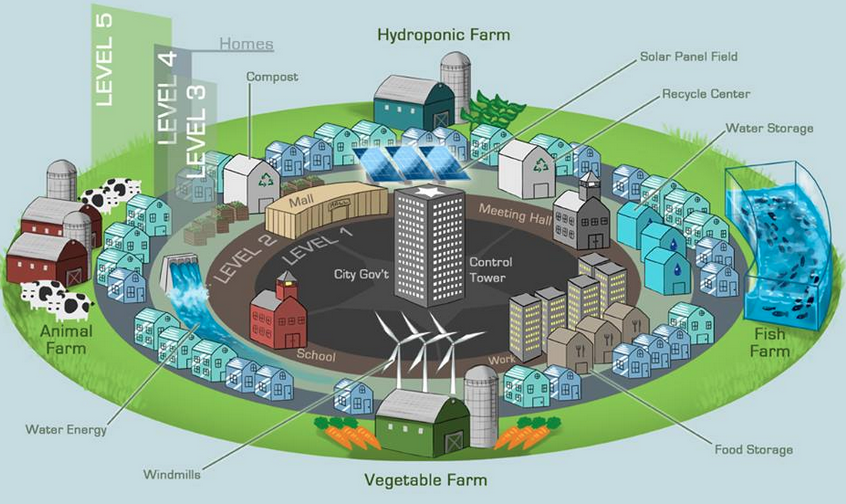
Imagine a city where the sun isn't just a visitor, but a vital partner. A city where buildings seamlessly generate clean electricity, neighborhoods hum with sustainable energy, and the air is cleaner because of forward-thinking design. It’s not a utopian dream; it’s a tangible future we can build, starting today.
Planning cities for a solar-first future isn't just about installing solar panels on rooftops. It’s a holistic approach that integrates solar energy generation into the very fabric of urban design. It’s about optimizing building orientation, utilizing innovative materials, incorporating energy storage solutions, and creating smart grids that efficiently distribute clean electricity. This shift matters because it directly addresses the urgent need for decarbonization, reduces our reliance on fossil fuels, and creates more resilient and sustainable communities for generations to come. Moreover, embracing solar energy at the urban planning stage unlocks significant cost savings, maximizes energy production, and fosters a healthier environment for everyone.
A practical step you can take today is to advocate for solar-ready mandates in your local building codes. These mandates require new construction to be designed and built in a way that facilitates easy and cost-effective solar panel installation in the future. By supporting such initiatives, you can contribute to a more sustainable and energy-independent community, paving the way for a broader adoption of renewable energy.
The Benefits of Solar-Centric Urban Planning
The advantages of designing our cities with solar in mind extend far beyond just reducing carbon emissions. They encompass economic growth, improved public health, and enhanced community resilience. Let’s delve into some key benefits: Reduced Energy Costs:By generating clean electricity on-site, cities can significantly reduce their reliance on the traditional power grid, shielding residents and businesses from volatile fossil fuel prices and lowering overall energy bills. Smart grids optimized for solar energy distribution further enhance efficiency and reduce energy waste.
Enhanced Energy Independence: A solar-first approach empowers cities to become more self-sufficient in their energy production. This increased energy independence reduces vulnerability to external disruptions and strengthens local economies by keeping energy dollars within the community.
Improved Air Quality and Public Health: Transitioning to solar energy drastically reduces air pollution associated with fossil fuel combustion. Cleaner air leads to fewer respiratory illnesses, improved cardiovascular health, and a healthier environment for all residents.
Job Creation and Economic Growth: The solar industry is a rapidly growing sector, creating numerous jobs in manufacturing, installation, maintenance, and research. By embracing solar energy, cities can stimulate local economies and attract new businesses focused on renewable energy technologies.
Increased Property Values: Studies have shown that homes and businesses with solar panel installations tend to have higher property values compared to those without. This increase in property value benefits individual homeowners and contributes to the overall economic health of the city.
Resilience to Climate Change: Solar energy offers a decentralized and resilient energy source that can withstand extreme weather events and other disruptions to the traditional power grid. This resilience is crucial in the face of climate change and its associated challenges.
Sustainable Development: Solar-centric urban planning promotes sustainable development by minimizing environmental impact, conserving natural resources, and creating a more livable and equitable urban environment for future generations.
Overcoming Challenges to Solar Integration
While the benefits of solar-first urban planning are undeniable, there are also challenges that need to be addressed to ensure successful implementation. These challenges include: Initial Costs:The upfront investment in solar energy infrastructure can be a barrier for some cities and developers. However, government incentives, tax credits, and innovative financing models can help offset these costs and make solar energy more accessible. Furthermore, the long-term cost savings from reduced energy bills often outweigh the initial investment.
Land Use Considerations: Optimizing solar energy production requires careful consideration of land use and building orientation. Cities need to develop zoning regulations and building codes that promote solar access and minimize shading from surrounding structures. Utilizing rooftops, parking canopies, and other underutilized spaces for solar panel installations can help maximize energy production without compromising land use.
Grid Integration: Integrating large amounts of solar energy into the existing power grid requires upgrades and modernization of grid infrastructure. Smart grid technologies, energy storage solutions, and advanced control systems are essential for managing the variability of solar energy production and ensuring grid stability.
Public Awareness and Education: Raising public awareness about the benefits of solar energy and educating residents about solar technologies is crucial for fostering support and encouraging adoption. Community outreach programs, workshops, and educational campaigns can help dispel misconceptions and promote the widespread use of solar energy.
Regulatory and Policy Barriers: Outdated regulations and policies can hinder the development of solar energy projects. Cities need to review and update their regulations to remove barriers and create a supportive environment for solar energy development. Streamlining permitting processes, offering tax incentives, and implementing net metering policies can encourage homeowners and businesses to invest in solar energy.
People Also Ask:
How can cities incentivize solar energy adoption?
Cities can implement a variety of incentives to encourage solar energy adoption, including tax credits, rebates, grants, and low-interest loans. Streamlining the permitting process and offering technical assistance can also make it easier for residents and businesses to install solar panels.
What are the best building materials for solar-ready buildings?
Selecting appropriate building materials plays a crucial role in designing solar-ready buildings. Opting for materials with high thermal mass can improve energy efficiency and reduce the need for excessive heating or cooling. Reflective roofing materials can help minimize heat absorption, while durable and weather-resistant materials can ensure the longevity of solar installations. Furthermore, integrating solar panels into building facades using materials like building-integrated photovoltaics (BIPV) can maximize energy production and enhance the aesthetic appeal of the structure.
How can community solar programs benefit residents?
Community solar programs offer a way for residents who may not be able to install solar panels on their own roofs to access the benefits of solar energy. These programs typically involve a shared solar array that is owned and operated by a community organization or utility company. Residents can subscribe to a portion of the solar array and receive credits on their electricity bills for the energy generated. This allows them to lower their energy costs and support the development of renewable energy without having to invest in their own solar panels.
Technological Innovations Driving the Solar Revolution
Advancements in solar technology are constantly pushing the boundaries of what's possible, making solar energy more efficient, affordable, and versatile. These innovations are playing a crucial role in accelerating the transition to a solar-first future.
Improved Solar Panel Efficiency: Researchers are continuously developing new materials and designs that increase the efficiency of solar panels. Higher efficiency means that more electricity can be generated from the same amount of sunlight, reducing the overall cost of solar energy.
Building-Integrated Photovoltaics (BIPV): BIPV technology integrates solar cells directly into building materials such as roofing tiles, facades, and windows. This eliminates the need for separate solar panel installations and allows buildings to generate electricity seamlessly.
Energy Storage Solutions: Battery storage systems are becoming increasingly affordable and efficient, allowing cities to store excess solar energy and use it when the sun isn't shining. This helps to stabilize the grid and ensure a reliable supply of clean electricity.
Smart Grids: Smart grids utilize advanced sensors, communication networks, and control systems to optimize the distribution of electricity. They can automatically adjust to changes in demand and supply, ensuring that solar energy is efficiently integrated into the grid.
Floating Solar Farms: Floating solar farms are installed on bodies of water such as lakes, reservoirs, and canals. These farms can generate electricity without taking up valuable land space and can also help to reduce water evaporation.
Perovskite Solar Cells: Perovskite solar cells are a promising new technology that offers the potential for even higher efficiency and lower cost compared to traditional silicon solar cells. While still in the early stages of development, perovskite solar cells are attracting significant research and investment.
Policy Recommendations for a Solar-Powered Future
To realize the full potential of a solar-first future, governments and policymakers need to implement supportive policies that incentivize solar energy adoption, remove barriers, and promote innovation.
Renewable Energy Standards (RES): RES policies require utilities to generate a certain percentage of their electricity from renewable sources. This creates a stable market for solar energy and encourages investment in solar projects.
Net Metering Policies: Net metering allows homeowners and businesses with solar panels to receive credit on their electricity bills for the excess energy they send back to the grid. This encourages them to invest in solar energy and helps to offset the cost of installation.
Tax Incentives and Rebates: Tax incentives and rebates can help reduce the upfront cost of solar panel installations, making them more affordable for homeowners and businesses.
Streamlined Permitting Processes: Streamlining the permitting process for solar energy projects can reduce delays and lower costs, making it easier for developers to build solar farms and for homeowners to install solar panels.
Funding for Research and Development: Investing in research and development of new solar technologies can help to improve efficiency, lower costs, and expand the applications of solar energy.
Community Solar Programs: Supporting the development of community solar programs can make solar energy accessible to residents who may not be able to install solar panels on their own roofs.
The journey towards a solar-first future is within our reach. By embracing forward-thinking urban planning strategies, leveraging technological innovations, and implementing supportive policies, we can create cities that are powered by the sun, healthier for our communities, and more sustainable for our planet. Let’s work together to build a brighter and cleaner tomorrow, one solar panel at a time.