
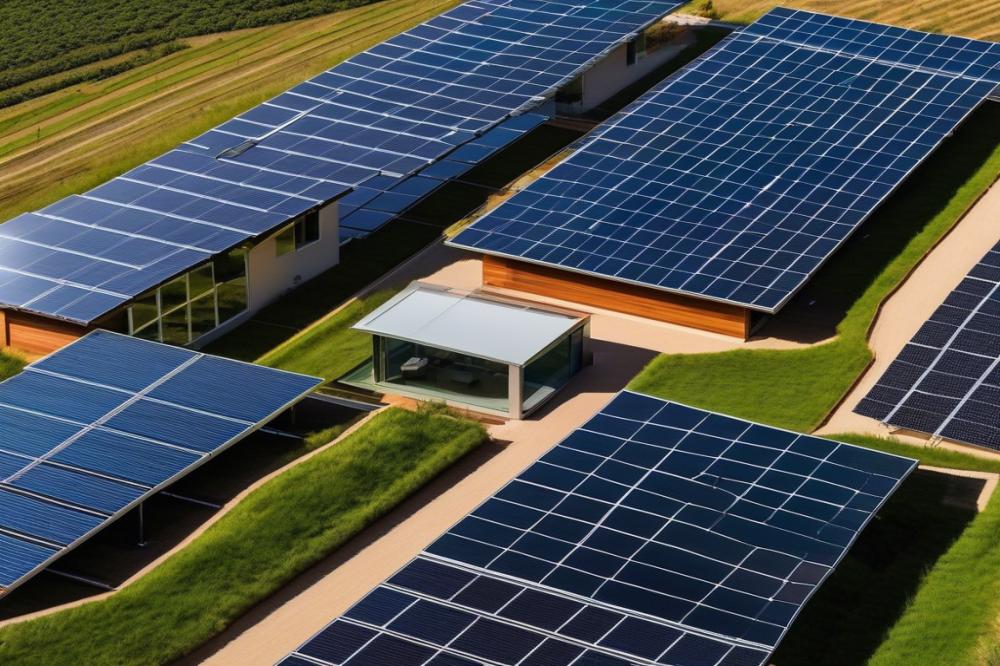
Imagine a world powered entirely by the sun. A world where clean electricity flows freely, eliminating our reliance on fossil fuels and ushering in an era of true energy independence. Solar energy, particularly at a large scale, holds immense promise in realizing this vision. But how close are we really, and what are the practical hurdles we need to address to truly unlock its full potential?
Large-scale solar power is much more than just fields of photovoltaic (PV) panels; it’s a complex interplay of technology, economics, and environmental considerations. Understanding the realistic expectations and practical limits of these massive projects is crucial for informed decision-making, effective policy development, and ultimately, a successful transition to a sustainable energy future. This isn’t about dampening enthusiasm; it’s about channeling it towards solutions that are both ambitious and achievable.
One of the most important things to remember is that progress in renewable energy is rarely linear. There will be breakthroughs, setbacks, and unexpected challenges. Staying informed, embracing innovation, and maintaining a realistic perspective will allow us to navigate these complexities and maximize the positive impact of large-scale solar.
Land Use Considerations and Solar Development
One of the most frequently cited concerns regarding large-scale solar farms is the amount of land they require. It's true that generating significant amounts of electricity from solar necessitates substantial acreage. However, it's important to put this land use into perspective and explore strategies for mitigating its impact.
When comparing land use across different energy sources, solar often fares surprisingly well. While a solar farm might require several acres per megawatt (MW) of installed capacity, traditional fossil fuel power plants often rely on extensive infrastructure for extraction, transportation, and waste disposal, indirectly impacting vast areas. Moreover, land used for solar can often be repurposed for other activities, such as agriculture or habitat restoration, a concept known as agrivoltaics.This involves strategically integrating solar panels with agricultural practices, allowing for both energy generation and food production on the same land.
Furthermore, the efficiency of solar panels is constantly improving, meaning that we can generate more electricity from the same amount of land. Ongoing research and development are focused on increasing panel efficiency and exploring innovative designs that minimize land footprint. Smart siting practices, such as utilizing brownfields, rooftops, and other underutilized areas, can further reduce the need for new land development.
Intermittency and Energy Storage Solutions
The sun doesn't shine 24 hours a day, seven days a week. This inherent intermittency of solar energy presents a significant challenge for grid operators. How do we ensure a reliable and consistent supply of electricity when the sun isn't shining? The answer lies in energy storage and smart grid technologies.
Energy storage systems, such as batteries, pumped hydro, and thermal storage, are becoming increasingly cost-effective and are playing a vital role in smoothing out the variability of solar power. These systems store excess energy generated during peak sunlight hours and release it when demand is high or when solar generation is low. Battery technology, in particular, has seen rapid advancements in recent years, with increasing energy density and decreasing costs.
Beyond storage, smart grid technologies are crucial for managing the integration of variable renewable energy sources. Smart grids use advanced sensors, communication networks, and control systems to optimize the flow of electricity, balance supply and demand, and enhance grid stability. These technologies enable grid operators to predict solar output, manage fluctuations, and integrate distributed energy resources seamlessly. Furthermore, investing in geographically diverse solar projects can help mitigate intermittency as weather patterns vary across regions.
People Also Ask: What is the impact of solar farms on local ecosystems?
The environmental impact of large-scale solar farms is a complex issue with both potential benefits and drawbacks. On the one hand, solar energy is a clean and renewable source of electricity that can help reduce greenhouse gas emissions and combat climate change. On the other hand, the construction and operation of solar farms can have impacts on local ecosystems, including habitat loss, soil erosion, and water use. Careful planning and mitigation measures are essential to minimize these impacts and maximize the environmental benefits of solar energy. This might include conducting thorough environmental impact assessments, implementing erosion control measures, restoring native vegetation, and minimizing water use.
People Also Ask: How does solar energy contribute to decarbonization efforts?
Solar energy is a cornerstone of decarbonization efforts. By replacing fossil fuel-based power plants with solar farms, we can significantly reduce greenhouse gas emissions and combat climate change. Solar energy is a clean and renewable source of electricity that produces no air pollution or carbon emissions during operation. When combined with energy storage and smart grid technologies, solar energy can provide a reliable and sustainable source of power for homes, businesses, and industries. As the cost of solar energy continues to decline, it is becoming increasingly competitive with fossil fuels, making it an attractive option for decarbonizing the electricity sector.
People Also Ask: What are the economic benefits of large-scale solar projects?
Large-scale solar projects can generate significant economic benefits for local communities and the broader economy. These projects create jobs in manufacturing, construction, installation, and maintenance. They also stimulate economic activity through increased tax revenues, land lease payments, and local spending. Furthermore, solar energy can help reduce electricity costs for consumers and businesses, making them more competitive and resilient. As the solar industry continues to grow, it will create new opportunities for innovation, entrepreneurship, and economic development.
Grid Infrastructure and Transmission Challenges
Integrating large amounts of solar energy into the grid requires significant investments in transmission infrastructure. Existing transmission lines may not have the capacity to handle the influx of renewable energy, and new lines may be needed to connect remote solar farms to population centers. Upgrading and expanding the grid is a complex and costly undertaking, but it is essential for unlocking the full potential of solar energy.
One of the key challenges is permitting and siting new transmission lines. These projects often face opposition from local communities due to concerns about environmental impacts, property values, and visual aesthetics. Streamlining the permitting process and engaging with stakeholders early on are crucial for overcoming these hurdles. Furthermore, investing in smart grid technologies can help optimize the use of existing transmission infrastructure and reduce the need for new lines.
Another important consideration is the geographical distribution of solar resources. Some regions have abundant sunshine, but limited transmission capacity. Connecting these areas to population centers requires long-distance transmission lines, which can be expensive and challenging to build. Exploring alternative approaches, such as distributed solar generation and energy storage, can help reduce the reliance on long-distance transmission and enhance grid resilience.
Cost Competitiveness and Financial Viability
The cost of solar energy has plummeted in recent years, making it increasingly competitive with traditional fossil fuels. However, the financial viability of large-scale solar projects still depends on a variety of factors, including government policies, financing costs, and electricity market conditions. Supportive policies, such as tax credits, renewable energy standards, and carbon pricing mechanisms, can help incentivize solar development and level the playing field with fossil fuels.
Access to low-cost financing is also crucial for large-scale solar projects. These projects require significant upfront investments, and the cost of capital can have a significant impact on their financial viability. Government-backed loans, loan guarantees, and public-private partnerships can help reduce financing costs and attract private investment.
Furthermore, the design of electricity markets plays a key role in determining the profitability of solar projects. Market structures that recognize the value of solar energy's environmental benefits and provide fair compensation for its grid services can help ensure the long-term financial sustainability of these projects. This includes mechanisms for valuing avoided emissions, capacity payments for providing grid reliability, and time-of-use pricing that reflects the value of solar energy during peak demand periods.
The Path Forward: Collaboration and Innovation
The transition to a sustainable energy future powered by large-scale solar will require collaboration across all sectors of society. Governments, industry, researchers, and communities must work together to overcome the challenges and unlock the full potential of this clean and renewable energy source. This includes investing in research and development, deploying innovative technologies, and creating supportive policies that incentivize solar development.
It also requires open communication and engagement with stakeholders to address concerns and build consensus. Transparent decision-making processes, community benefits agreements, and environmental mitigation measures can help ensure that solar projects are developed in a responsible and sustainable manner.
Moreover, innovation will be key to driving down costs, improving performance, and addressing the challenges of intermittency and grid integration. This includes research into new solar cell materials, advanced energy storage technologies, and smart grid solutions. By fostering a culture of innovation and collaboration, we can accelerate the transition to a clean energy future and create a more sustainable world for generations to come.
The journey towards a solar-powered future is a marathon, not a sprint. There will be obstacles along the way, but with careful planning, strategic investments, and a commitment to innovation, we can overcome these challenges and achieve our goals. Embrace the possibilities, stay informed, and be a part of the solution. The future is bright, and it's powered by the sun.