
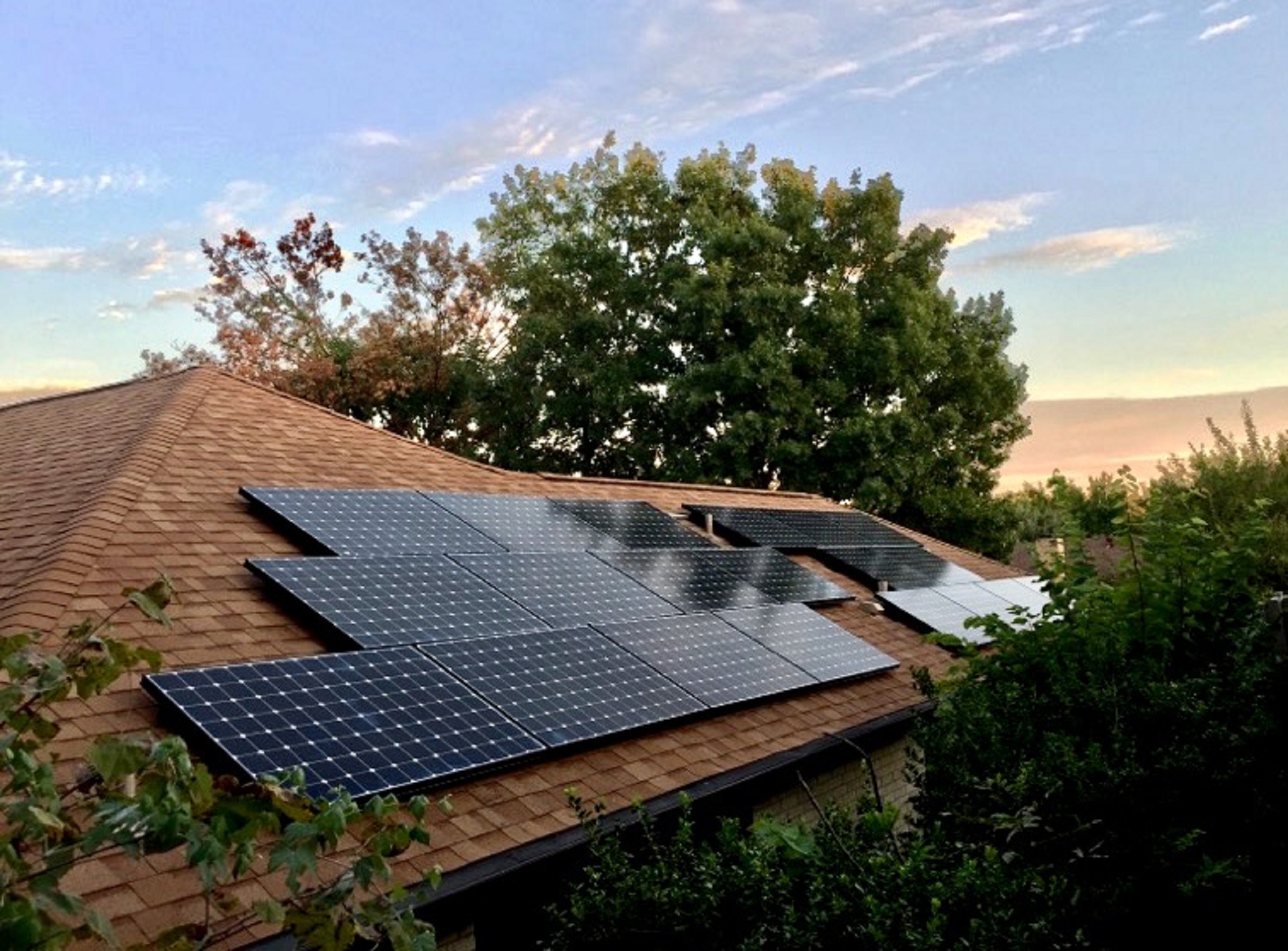
Imagine your neighborhood plunged into darkness. The grid is down, but inside your home, the lights stay on, the refrigerator hums, and you can still charge your phone. This isn't a scene from a movie; it's the potential reality that rooftop solar offers – a tangible step toward household energy resilience.
Rooftop solar panels, once a niche technology, are now a mainstream solution for homeowners seeking greater control over their energy supply and costs. Beyond the environmental benefits of clean electricity, these systems offer a significant layer of protection against power outages and fluctuating energy prices. By generating your own electricity, you reduce your dependence on the traditional grid, increasing your ability to weather unexpected disruptions and contributing to a more stable and sustainable energy future. Taking the initiative to explore solar power is a proactive step toward energy independence and security.
One crucial consideration is the addition of battery storage to your rooftop solar system. While solar panels generate electricity during daylight hours, a battery allows you to store that energy for use at night or during a grid outage. This combination provides the most comprehensive energy resilience, ensuring a continuous power supply regardless of external circumstances.
Understanding Energy Resilience and Rooftop Solar
Energy resilience refers to the ability of a system – in this case, your household – to withstand disruptions and quickly recover from them. These disruptions can range from severe weather events that knock out power lines to rolling blackouts implemented to manage grid strain. Traditional reliance on a centralized power grid leaves homeowners vulnerable to these events. Rooftop solar, particularly when paired with battery storage, provides a decentralized energy source, bolstering your home's ability to function independently during outages.
The core principle is simple: sunlight is converted into electricity by photovoltaic (PV) panels installed on your roof. This electricity can then be used to power your home, with any excess energy being fed back into the grid (depending on your local regulations and net metering policies). When the grid goes down, a solar system with battery storage can automatically disconnect from the grid and power your home using the stored energy. Even without battery storage, some solar inverters can provide limited daytime power during an outage, although this functionality typically requires manual activation for safety reasons.
This shift toward self-generation not only enhances energy resilience but also contributes to the broader decarbonization of the energy sector. By reducing reliance on fossil fuel-based power plants, rooftop solar helps lower greenhouse gas emissions and promotes a cleaner, more sustainable energy future for all. It's a win-win scenario: homeowners gain greater energy security while simultaneously contributing to a healthier planet.
People Also Ask: What happens to my solar panels during a power outage?
Most grid-tied solar systems are designed to automatically shut down during a power outage to prevent backfeeding electricity onto the grid, which could endanger utility workers. However, if you have a solar system with battery backup, it can automatically disconnect from the grid and power your home using the stored energy.
People Also Ask: How much does it cost to add battery storage to my existing solar system?
The cost of adding battery storage can vary depending on the size of the battery, the type of battery, and the complexity of the installation. It’s best to get quotes from several reputable solar installers to compare prices and find the best solution for your needs. Keep in mind that government incentives and tax credits may be available to help offset the cost.
The Financial Benefits of Solar and Resilience
Beyond energy resilience, rooftop solar offers significant financial advantages. The most immediate benefit is reduced electricity bills. By generating your own power, you decrease your consumption of electricity from the grid, leading to lower monthly payments. In many areas, net metering policies allow you to sell excess solar energy back to the grid, further offsetting your energy costs.
The long-term savings can be substantial. Over the lifespan of a solar system (typically 25-30 years), the cumulative savings on electricity bills can easily exceed the initial investment. This makes rooftop solar a sound financial decision, offering a reliable return on investment while simultaneously increasing your home's value. Many studies show that homes with solar panels sell for a premium compared to those without.
Furthermore, government incentives and tax credits can significantly reduce the upfront cost of installing a solar system. Federal, state, and local programs are available to encourage solar adoption, making it more accessible and affordable for homeowners. These incentives can take the form of tax credits, rebates, or grants, effectively lowering the net cost of the system and accelerating the payback period. Understanding and leveraging these financial incentives is crucial for maximizing the economic benefits of rooftop solar.
The financial benefits extend beyond simple cost savings. Solar energy provides a hedge against rising electricity prices. As utility rates continue to climb, homeowners with solar panels are shielded from these increases, enjoying predictable and stable energy costs for decades to come. This price stability offers peace of mind and allows for more accurate budgeting.
People Also Ask: How long does it take for a solar system to pay for itself?
The payback period for a solar system can vary depending on factors such as the cost of the system, the amount of sunlight your roof receives, your electricity consumption, and available incentives. In many cases, a solar system can pay for itself within 7-12 years.
Choosing the Right Solar System for Resilience
Selecting the right solar system for your home requires careful consideration of several factors. First and foremost, assess your energy needs. Analyze your past electricity bills to determine your average monthly consumption. This will help you determine the appropriate size of the solar system needed to meet your energy demands.
Next, evaluate your roof's suitability for solar panels. Consider factors such as roof orientation, angle, and shading. South-facing roofs generally receive the most sunlight, but east- or west-facing roofs can also be viable options. Ensure that your roof is in good condition and can support the weight of the solar panels. A professional solar installer can conduct a thorough site assessment to determine the optimal placement and configuration of the system.
Consider the type of solar panels. Monocrystalline panels are generally more efficient and durable than polycrystalline panels, but they also tend to be more expensive. Thin-film solar panels are another option, but they are typically less efficient and require more roof space.
Finally, choose a reputable solar installer with a proven track record. Look for installers who are licensed, insured, and have positive customer reviews. Obtain multiple quotes from different installers to compare prices and services. Be sure to ask about warranties and maintenance plans.
Remember, energy resilience is not just about generating electricity; it's about managing it effectively. Consider smart home technologies that can optimize your energy consumption and help you prioritize critical loads during an outage. Smart thermostats, smart appliances, and energy monitoring systems can all contribute to a more resilient and energy-efficient home.
The Role of Battery Storage in Maximizing Resilience
While rooftop solar alone can enhance energy resilience, adding battery storage takes it to the next level. A battery storage system allows you to store excess solar energy generated during the day for use at night or during a power outage. This ensures a continuous power supply, even when the sun isn't shining or the grid is down.
The size of the battery you need will depend on your energy consumption patterns and your desired level of resilience. Consider how much power you need to run essential appliances such as refrigerators, lights, and medical equipment during an outage. A solar installer can help you determine the appropriate battery size based on your specific needs.
Different types of batteries are available, each with its own advantages and disadvantages. Lithium-ion batteries are the most common type, offering high energy density, long lifespan, and relatively low cost. Lead-acid batteries are a more traditional option, but they are less efficient and have a shorter lifespan. Flow batteries are an emerging technology that offers long-duration storage and high cycle life, but they are currently more expensive.
Integrating battery storage into your solar system requires a compatible inverter. Hybrid inverters combine the functions of a solar inverter and a battery inverter, simplifying the installation process and reducing costs. Some inverters also offer backup power capabilities, allowing you to automatically switch to battery power during an outage.
The benefits of battery storage extend beyond backup power. Batteries can also help you optimize your energy consumption by shifting energy demand to off-peak hours, when electricity prices are lower. This can further reduce your electricity bills and increase your overall savings. Battery storage can also provide grid services, such as frequency regulation and demand response, which can help stabilize the grid and earn you additional revenue.
People Also Ask: How long can a battery power my home during an outage?
The amount of time a battery can power your home during an outage depends on the size of the battery, the amount of energy stored, and the power consumption of the appliances you are running. A typical home battery can provide several hours to a full day of backup power for essential appliances.
Embracing a Sustainable and Resilient Future
Rooftop solar is more than just a trendy technology; it's a fundamental shift in how we generate and consume electricity. By embracing this technology, you're not only making a smart financial decision but also contributing to a cleaner, more sustainable future. The ability to power your home with clean energy, reduce your carbon footprint, and gain greater energy independence is a powerful and empowering feeling.
Taking the step towards rooftop solar can feel daunting, but remember that you're not alone. A wealth of resources and expert advice are available to guide you through the process, from choosing the right system to securing financing and navigating the installation. You have the power to make a difference, one solar panel at a time. Embrace the possibilities, explore your options, and take control of your energy future. The journey to a more resilient and sustainable home starts with a single step – the decision to explore the power of rooftop solar.