
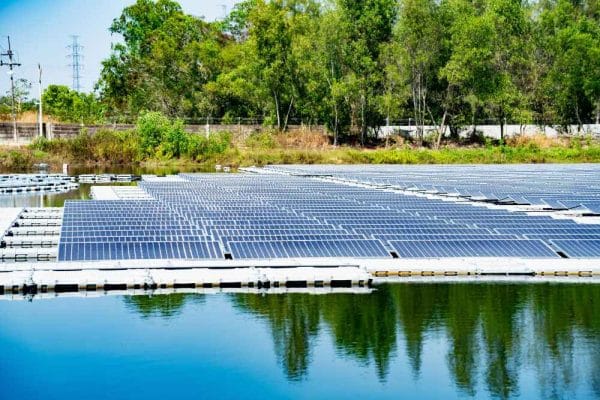
Imagine turning vast, unused bodies of water – reservoirs, lakes, even the ocean – into clean energy powerhouses. It’s not science fiction; it’s the rapidly growing reality of floating solar farms, and it presents a compelling opportunity to accelerate the sustainable transition.
Floating solar farms, also known as floating photovoltaic (FPV) systems, are exactly what they sound like: solar panels mounted on floating structures installed on water bodies. While the technology is relatively new compared to traditional ground-mounted solar, it offers several advantages, including higher energy production due to the cooling effect of the water, reduced land use, and decreased water evaporation. This practical guide will walk you through the key considerations and steps involved in deploying a floating solar farm, empowering you to contribute to a cleaner, more sustainable energy future. One early but often overlooked consideration: conduct a thorough environmental impact assessmentbeforeyou even begin the project planning. This will help you identify potential ecological concerns and ensure responsible development from the outset.
Understanding Floating Solar Technology
Floating solar technology is more than just slapping solar panels on a pontoon. It's an engineered system designed for long-term performance and environmental compatibility. The core components include the floating structure, the mooring system, the solar panels themselves, and the electrical infrastructure to transmit the power to the grid.
The floating structure is typically made of high-density polyethylene (HDPE), a durable and recyclable material that can withstand harsh weather conditions and UV exposure. These structures are designed to be modular, allowing for easy expansion and customization to fit different water body sizes and shapes.
The mooring system anchors the floating platform to the water body, preventing it from drifting and ensuring stability. Different mooring systems are used depending on the water depth, wind conditions, and wave action. Options include cable mooring, pile mooring, and gravity anchoring.
Standard photovoltaic (PV) panels are used in floating solar farms, although some manufacturers offer panels specifically designed for marine environments with enhanced waterproofing and corrosion resistance. The electrical infrastructure, including inverters, transformers, and cables, is similar to that used in ground-mounted solar, but with additional considerations for water resistance and safety.
Planning Your Floating Solar Farm Project
Successful deployment of a floating solar farm hinges on meticulous planning and preparation. This phase involves site selection, feasibility studies, permitting, and financial modeling.
Site Selection: The ideal site should have a relatively calm water surface, minimal shading, and proximity to existing grid infrastructure. Water depth is also a crucial factor, as it affects the choice of mooring system. Reservoirs, quarry lakes, and industrial ponds are often suitable locations. Avoid ecologically sensitive areas and locations with high boat traffic.
Feasibility Studies: Conduct thorough technical and economic feasibility studies. The technical study should assess the solar resource potential, water body characteristics, and grid interconnection options. The economic study should evaluate the project's costs, revenues, and financial viability, considering factors such as equipment costs, installation costs, operation and maintenance (O&M) costs, and electricity tariffs. A good feasibility study will also include a risk assessment, identifying potential challenges and mitigation strategies.
Permitting and Regulatory Approvals: Navigating the permitting process can be complex and time-consuming. Identify all necessary permits and approvals from local, regional, and national authorities. This may include environmental permits, water use permits, and building permits. Engage with regulatory agencies early in the process to understand the requirements and timelines.
Financial Modeling and Funding: Develop a robust financial model that accurately reflects the project's costs and revenues. Explore different funding options, such as project finance, equity investment, and government grants or incentives. Secure financing commitments before proceeding with construction.
Installation and Deployment
The installation process for floating solar farms is different from that of ground-mounted systems, requiring specialized equipment and expertise.
Assembly and Floatation: The floating structures are typically assembled onshore and then floated into position. This minimizes disruption to the water body and reduces the risk of environmental damage. Modular designs allow for efficient assembly and scalability.
Mooring and Anchoring: Once the floating platform is in place, it is secured to the water body using the chosen mooring system. This involves installing anchors or piles and connecting them to the floating structure with cables or chains. Proper mooring is essential for stability and safety.
Panel Installation and Electrical Connection: The solar panels are then mounted onto the floating structure and connected to the electrical infrastructure. This requires careful wiring and grounding to ensure safety and optimal performance. Qualified electricians with experience in solar installations are essential.
Commissioning and Testing: Before the floating solar farm is operational, it must undergo thorough commissioning and testing. This includes verifying the electrical connections, testing the performance of the solar panels and inverters, and ensuring that the system meets all safety standards.
Operation and Maintenance
Like any renewable energy system, floating solar farms require ongoing operation and maintenance to ensure optimal performance and longevity.
Regular Inspections: Conduct regular inspections of the floating structure, mooring system, solar panels, and electrical infrastructure. Look for signs of damage, corrosion, or wear and tear. Underwater inspections may be necessary to assess the condition of the mooring system.
Cleaning and Vegetation Management: Keep the solar panels clean to maximize energy production. This may involve manual cleaning or the use of automated cleaning systems. Manage vegetation around the water body to prevent shading and ensure access for maintenance.
Performance Monitoring: Monitor the performance of the floating solar farm using data acquisition systems. Track energy production, identify any performance issues, and implement corrective actions. Remote monitoring can help to detect problems early and reduce the need for on-site visits.
Repairs and Replacements: Address any repairs or replacements promptly to minimize downtime and maintain optimal performance. Keep a stock of spare parts on hand to expedite repairs. Develop a maintenance plan that outlines procedures for common repairs and replacements.
Environmental Considerations and Best Practices
While floating solar offers environmental benefits, it's crucial to mitigate any potential negative impacts.
Water Quality: Implement measures to prevent any pollution of the water body. Use environmentally friendly materials and cleaning products. Monitor water quality regularly to detect any changes.
Aquatic Life: Minimize disturbance to aquatic life during construction and operation. Avoid using chemicals that could harm fish or other organisms. Consider installing fish-friendly mooring systems.
Wildlife Protection: Protect birds and other wildlife that may be attracted to the floating solar farm. Implement measures to prevent birds from nesting on the structures or colliding with the panels. Consult with wildlife experts to identify potential risks and mitigation strategies.
End-of-Life Planning: Develop a plan for decommissioning and recycling the floating solar farm at the end of its useful life. This should include procedures for removing the structures, recycling the solar panels, and restoring the site to its original condition.
People Also Ask
How does floating solar affect water quality?
Floating solar can actuallyimprovewater quality by reducing evaporation and limiting algae growth. However, it's essential to use non-toxic materials and implement best practices to prevent any potential pollution. Regular water quality monitoring is also crucial.
Are floating solar farms more expensive than ground-mounted solar?
The initial investment cost of floating solar is typically higher than ground-mounted solar due to the specialized floating structures and installation requirements. However, the increased energy production, reduced land use, and other benefits can offset the higher cost over the project's lifetime.
What are the key challenges in deploying floating solar farms?
Some key challenges include securing financing, navigating the permitting process, managing environmental impacts, and ensuring the long-term durability of the floating structures. Careful planning and execution are essential to overcome these challenges.
Floating solar farms are not just a promising technology; they represent a significant step forward in our journey towards a cleaner, more sustainable energy future. By carefully considering the factors outlined in this guide and collaborating with experienced professionals, you can successfully deploy a floating solar farm and contribute to a brighter tomorrow. The transition to renewable energy requires innovative solutions, and floating solar is proving to be a powerful tool in that transformation.