
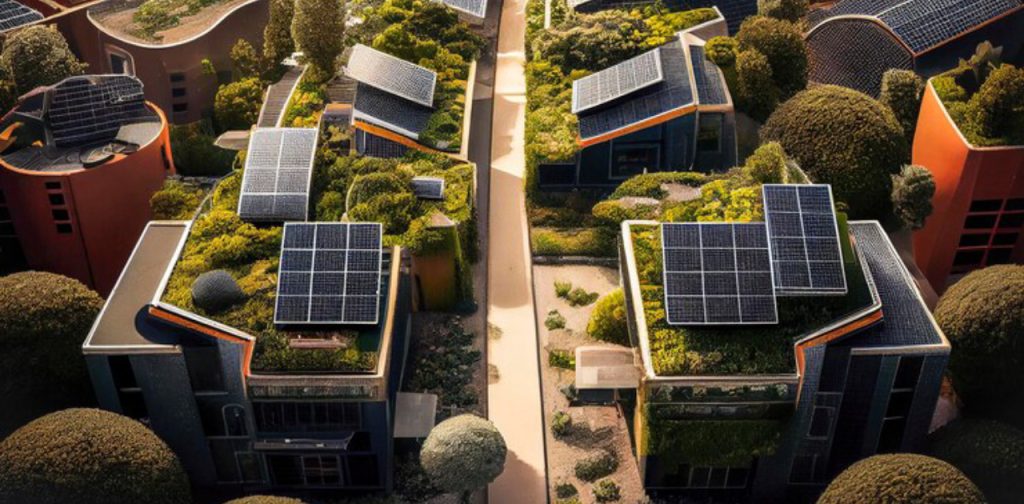
Imagine a city where buildings breathe with the sun, their very surfaces generating the clean electricity needed to power lives and businesses. This isn't a futuristic fantasy; it's a rapidly approaching reality driven by the innovative integration of solar power into urban design. As solar technology evolves and becomes more affordable, it's poised to revolutionize how we conceive, construct, and inhabit our cities, fostering a more sustainable and resilient urban future.
This shift towards solar-integrated urbanism isn't just about sticking solar panels on rooftops. It's about fundamentally rethinking how buildings and infrastructure interact with the sun. It means incorporating solar energy generation into every facet of the built environment, from facades and windows to sidewalks and public spaces. This transformation has profound implications for urban aesthetics, energy independence, and the overall quality of life for city dwellers, and understanding these implications is crucial for architects, urban planners, policymakers, and anyone invested in the future of our cities.
One of the most impactful actions you can take today is to advocate for policies that incentivize solar integration in new construction and retrofitting projects. By supporting initiatives that promote net-zero energy buildings and streamlined permitting processes for solar installations, you can contribute to a more sustainable and energy-efficient urban landscape. Your voice matters in shaping the future of urban design and accelerating the transition to clean electricity.
Solar's Transformative Impact on Urban Aesthetics
For years, solar panels were often relegated to rooftops, seen as an add-on rather than an integral part of a building's design. But that perception is rapidly changing. Advances in materials science and manufacturing are leading to aesthetically pleasing solar solutions that can seamlessly blend with or even enhance a building's architectural style. We're moving beyond the bulky, dark panels of the past to embrace sleek, colorful, and even transparent solar technologies.
Consider building-integrated photovoltaics (BIPV). BIPV allows solar cells to be incorporated directly into building materials like windows, facades, and roofing tiles. Imagine skyscrapers shimmering with sunlight, their glass exteriors silently generating clean electricity. Or residential neighborhoods where solar roof tiles mimic the look of traditional roofing materials while simultaneously powering homes. These are not mere hypotheticals; these technologies are available today and are becoming increasingly cost-competitive as production scales up.
Furthermore, solar technology is expanding beyond buildings to encompass public spaces. Solar-powered streetlights, benches with charging stations, and even solar-paved sidewalks are becoming more common in urban environments. These installations not only provide clean electricity but also create welcoming and functional public spaces, enhancing the vibrancy and livability of cities. The possibilities are truly endless.
Decentralized Energy and Urban Resilience
One of the most significant benefits of integrating solar power into urban design is the creation of decentralized energy systems. By generating electricity locally, cities can reduce their reliance on centralized power grids, which are vulnerable to outages and disruptions. Distributed solar generation enhances urban resilience, ensuring a more reliable power supply during emergencies such as natural disasters or cyberattacks.
Microgrids, powered by solar and other renewable energy sources, are emerging as a key component of resilient urban energy systems. These localized grids can operate independently of the main grid, providing a backup power source for critical infrastructure like hospitals, emergency services, and communication networks. Microgrids can also facilitate the sharing of electricity between buildings, creating a more efficient and collaborative energy ecosystem.
Moreover, decentralized solar generation empowers individuals and communities to take control of their energy needs. Homeowners and businesses can generate their own electricity, reducing their reliance on fossil fuels and lowering their energy bills. This fosters a sense of ownership and responsibility, encouraging greater energy conservation and promoting a more sustainable lifestyle.
People Also Ask:
How does solar integration reduce urban heat island effect?
Solar panels can reflect sunlight and reduce the amount of solar radiation absorbed by buildings and infrastructure, mitigating the urban heat island effect and lowering temperatures in urban areas. Furthermore, green roofs combined with solar installations can provide additional cooling benefits through evapotranspiration.
What are the economic benefits of solar-powered urban design?
Solar-powered urban design creates new jobs in manufacturing, installation, and maintenance, stimulates local economies, reduces energy costs for residents and businesses, and increases property values. It also attracts investment in sustainable infrastructure and technology.
What role does policy play in promoting solar integration in cities?
Supportive policies, such as tax incentives, rebates, streamlined permitting processes, and building codes that mandate solar readiness, can significantly accelerate the adoption of solar technology in urban environments. These policies create a favorable regulatory environment for solar development and encourage investment in renewable energy.
Overcoming Challenges to Solar Adoption in Cities
Despite the numerous benefits of solar-powered urban design, several challenges must be addressed to fully realize its potential. One of the primary obstacles is the higher upfront cost of solar installations compared to traditional energy sources. However, government incentives, financing options, and declining solar panel prices are helping to make solar more accessible and affordable.
Another challenge is the limited availability of suitable rooftops in densely populated urban areas. This is where innovative solutions like BIPV and solar-powered public spaces become crucial. By integrating solar technology into various aspects of the built environment, cities can maximize their solar energy generation capacity.
Furthermore, aesthetic concerns and regulatory hurdles can sometimes hinder solar adoption. Addressing these challenges requires collaboration between architects, urban planners, policymakers, and community stakeholders. By working together to develop aesthetically pleasing solar solutions and streamline permitting processes, we can create a more supportive environment for solar integration. Public education and awareness campaigns are also essential to dispel myths and misconceptions about solar technology.
The Future of Solar-Powered Urbanism
The future of urban design is inextricably linked to solar power. As technology advances, costs decline, and public awareness grows, we can expect to see even more innovative and widespread integration of solar energy into our cities. From self-sufficient buildings to smart microgrids, solar power is paving the way for a more sustainable, resilient, and livable urban future.
Imagine a city where every building is a power plant, generating clean electricity for its occupants and contributing to the overall energy needs of the community. Imagine public spaces that are not only beautiful and functional but also serve as vital sources of renewable energy. This vision is within our reach, and by embracing solar-powered urban design, we can create a brighter and more sustainable future for generations to come. The decarbonization of urban spaces will not only improve quality of life, it will also provide more resilience for the impacts of a changing climate.
The transition to a solar-powered urban future requires a collective effort. Architects, urban planners, policymakers, and individuals all have a role to play in shaping this transformation. By advocating for supportive policies, investing in renewable energy technologies, and embracing sustainable practices, we can accelerate the adoption of solar power and create cities that are both environmentally responsible and economically prosperous. This sustainable transition will not happen overnight, but every step we take towards integrating solar into the urban fabric brings us closer to a cleaner, healthier, and more sustainable world.
Let's build cities that not only meet our current needs but also protect the well-being of future generations. The power to create a more sustainable urban future lies within our hands. Embrace the possibilities, champion the change, and let's work together to unlock the full potential of solar power in our cities. You have the power to make a difference.