
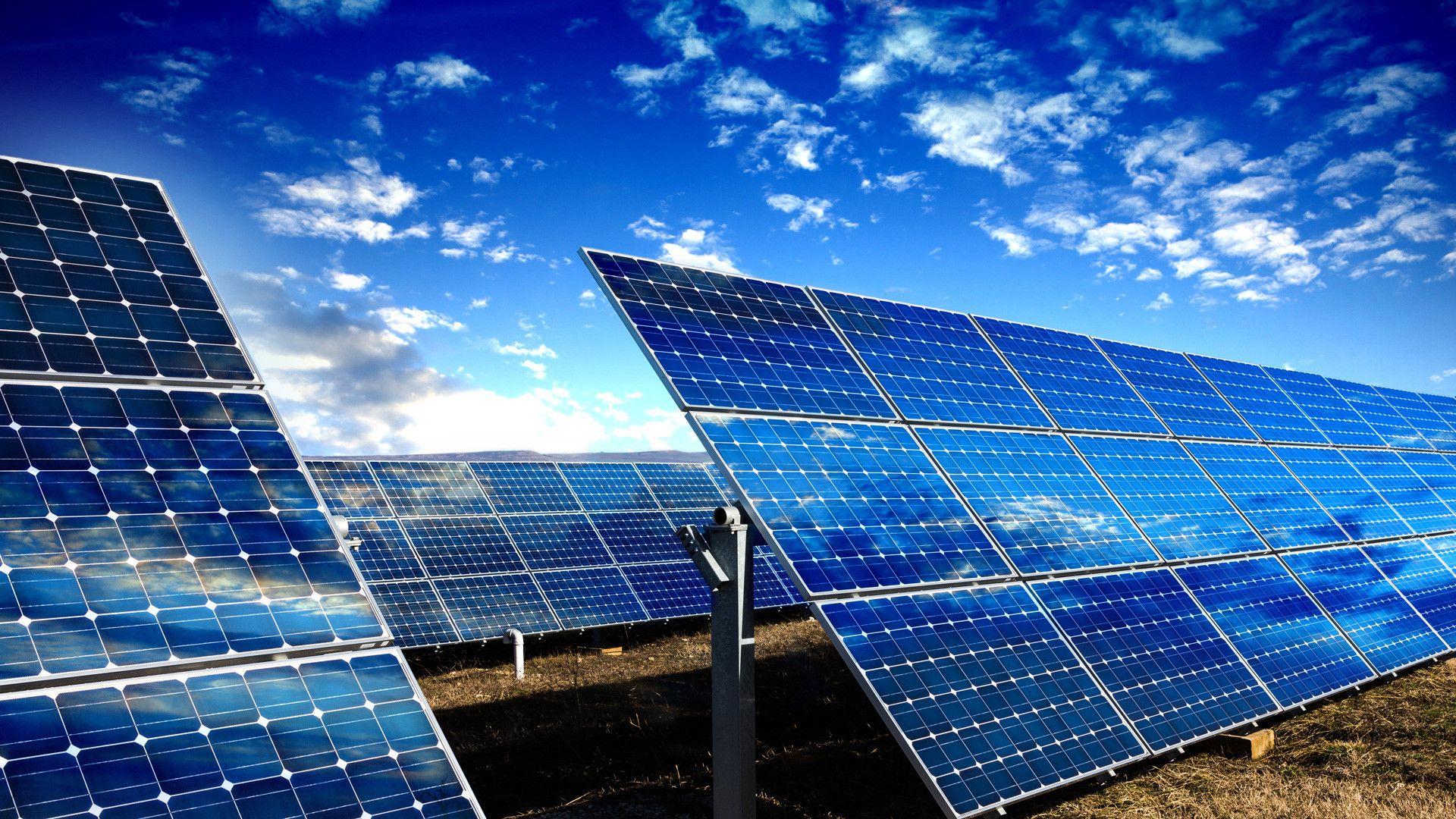
Imagine a future where the sun, wind, and water work in perfect harmony, delivering clean electricity to your home, powering your business, and safeguarding the planet for future generations. This isn't just a dream; it's an increasingly attainable reality thanks to innovative strategies for integrating solar power with existing hydropower and wind assets.
The integration of solar energy with established renewable resources like hydropower and wind is more than just combining technologies; it's about creating a more resilient, efficient, and cost-effective clean energy system. By strategically blending these resources, we can overcome the intermittency challenges inherent in solar and wind, while maximizing the value of existing infrastructure and accelerating the global transition to sustainable energy. This approach allows us to leverage the strengths of each energy source, ensuring a more stable and reliable supply of clean electricity for communities and industries worldwide. It’s not just about adding more renewable capacity; it's about making the entire system smarter and more responsive.
Consider this: a wind farm might produce the most energy at night, while solar panels generate peak output during the day. Hydropower, with its ability to store water and release it as needed, can fill in the gaps, providing power when neither wind nor solar are at their peak. This synergistic relationship creates a more balanced and predictable energy supply, reducing reliance on fossil fuels and enhancing grid stability. Thinking strategically about how these resources complement each other unlocks huge potential.
The Power of Synergy: Combining Solar, Wind, and Hydropower
The beauty of integrating solar power with existing hydropower and wind assets lies in the complementary nature of these resources. Each technology has its own strengths and weaknesses, and when combined intelligently, they can create a more robust and reliable renewable energy system. This integration is not just technically feasible; it's economically and environmentally sound, offering a pathway to a more sustainable future.
Hydropower as a Balancing Act for Solar Variability
Hydropower, with its inherent storage capabilities, is an ideal partner for variable renewable energy sources like solar. During periods of high solar generation, hydropower reservoirs can store water, reducing electricity generation and conserving water for later use. When solar output decreases (due to cloud cover or nightfall), hydropower can quickly ramp up its output to meet the demand, providing a seamless and reliable supply of clean electricity. This flexibility is invaluable for maintaining grid stability and ensuring a consistent power supply, even with fluctuating solar generation. Effectively, hydropower acts like a giant battery, storing potential energy and releasing it when needed.
Wind Power's Night Shift: Complementing Solar's Daytime Dominance
Wind power often peaks during the evening and nighttime hours, complementing solar’s daytime dominance. By combining wind and solar resources, we can create a more balanced and consistent energy supply throughout the day and night. This reduces the need for expensive energy storage solutions and minimizes reliance on fossil fuel-based backup generation. In many regions, wind and solar resources are geographically diverse, further enhancing the overall reliability of the integrated system. Imagine wind farms in coastal areas working in tandem with solar farms in inland regions to create a geographically diversified and resilient renewable energy network.
Optimizing Existing Infrastructure: A Cost-Effective Approach
Integrating solar power with existing hydropower and wind infrastructure can be a more cost-effective approach than building entirely new renewable energy facilities. By leveraging existing transmission lines, substations, and other infrastructure, we can significantly reduce the capital costs associated with solar energy deployment. This approach also minimizes the environmental impact of new construction, making it a more sustainable option overall. Furthermore, integrating solar can extend the lifespan of existing hydro facilities. Instead of pushing hydro plants to constantly meet peak demand, solar can shoulder some of the load, allowing hydro operators to better manage water resources and minimize wear and tear on their equipment.
Practical Applications: Real-World Examples
The integration of solar power with hydropower and wind assets is already happening around the world, with numerous successful projects demonstrating the potential of this approach. These real-world examples offer valuable insights and lessons learned for future projects.
Hybrid Power Plants: A New Era of Renewable Energy
Hybrid power plants, which combine multiple renewable energy sources at a single location, are becoming increasingly common. These plants often integrate solar power with existing hydropower or wind facilities, creating a more diversified and resilient energy source. For example, a hydropower plant might add a solar farm to its site, using the existing transmission infrastructure to deliver both hydropower and solar energy to the grid. These hybrid plants offer numerous benefits, including increased energy output, reduced grid congestion, and lower operating costs. They are paving the way for a new era of renewable energy, where different technologies work together to provide a reliable and sustainable power supply.
Virtual Power Plants: Aggregating Distributed Resources
Virtual power plants (VPPs) are another innovative approach to integrating solar, wind, and hydropower. VPPs use software and communication technologies to aggregate distributed energy resources, such as rooftop solar panels, small wind turbines, and hydropower facilities, into a single, coordinated network. This allows grid operators to manage these resources as if they were a single, large power plant, providing greater flexibility and control over the energy supply. VPPs can also optimize the dispatch of different energy resources, ensuring that the most cost-effective and environmentally friendly options are used at any given time.
Microgrids: Powering Communities with Renewable Energy
Microgrids, localized energy grids that can operate independently from the main grid, are ideal for integrating solar power with existing hydropower and wind assets in remote or island communities. These microgrids can provide a reliable and affordable source of clean electricity, reducing reliance on expensive and polluting diesel generators. By combining solar, wind, and hydropower resources, microgrids can create a self-sufficient energy system that meets the unique needs of the community. In areas with abundant sunshine, wind, and water resources, microgrids can become a cornerstone of sustainable development, empowering communities to take control of their energy future.
Overcoming Challenges and Maximizing Potential
While the integration of solar power with existing hydropower and wind assets offers significant benefits, there are also challenges that need to be addressed to fully realize its potential. These challenges include technical issues, regulatory barriers, and financial constraints.
Addressing Intermittency: Energy Storage and Grid Modernization
One of the main challenges of integrating solar and wind power is their intermittency. Energy storage technologies, such as batteries and pumped hydro storage, can help to address this challenge by storing excess energy generated during periods of high production and releasing it when demand is high and renewable output is low. Grid modernization is also essential for integrating variable renewable energy sources. Upgrading transmission lines and substations, as well as implementing smart grid technologies, can improve the reliability and efficiency of the grid and enable it to accommodate a greater share of renewable energy.
Navigating Regulatory and Policy Frameworks
Regulatory and policy frameworks can also pose challenges to the integration of solar, wind, and hydropower. In some cases, existing regulations may not be well-suited to hybrid power plants or virtual power plants, creating uncertainty and hindering investment. Streamlining permitting processes and developing clear regulatory guidelines for integrated renewable energy projects can help to overcome these barriers. Government incentives, such as tax credits and feed-in tariffs, can also play a crucial role in promoting the development of integrated renewable energy projects.
Securing Financing and Investment
Financing can be a major hurdle for integrated renewable energy projects, particularly in developing countries. These projects often require significant upfront investments, and investors may be hesitant to finance them due to perceived risks or uncertainties. Providing financial incentives, such as loan guarantees and risk mitigation mechanisms, can help to attract private investment. International collaborations and partnerships can also play a crucial role in mobilizing financing for integrated renewable energy projects in developing countries.
People Also Ask:
How can solar energy help make hydropower more efficient? Solar power can reduce the strain on hydropower facilities during peak demand by providing supplemental energy, allowing for better water management and minimizing wear and tear on hydro equipment. What are the benefits of combining wind and solar energy generation? Combining wind and solar provides a more stable and consistent energy supply throughout the day and night, reducing reliance on fossil fuels and enhancing grid stability. What are some policy changes needed to encourage integration of renewables? Streamlining permitting processes, developing clear regulatory guidelines for integrated renewable energy projects, and providing financial incentives such as tax credits and feed-in tariffs are key policy changes.
A Brighter Future Powered by Integration
The integration of solar power with existing hydropower and wind assets is a critical step towards a cleaner, more sustainable energy future. By harnessing the power of synergy and overcoming the challenges, we can unlock the full potential of renewable energy and accelerate the global transition to a decarbonized economy. Embracing this integrated approach isn't just about technological advancement; it's about creating a future where energy is accessible, affordable, and environmentally responsible for everyone. With continued innovation, supportive policies, and collaborative efforts, we can build a brighter future powered by the sun, wind, and water, working together in harmony. You have the power to make a difference by supporting and advocating for these crucial advancements in the renewable energy sector.