
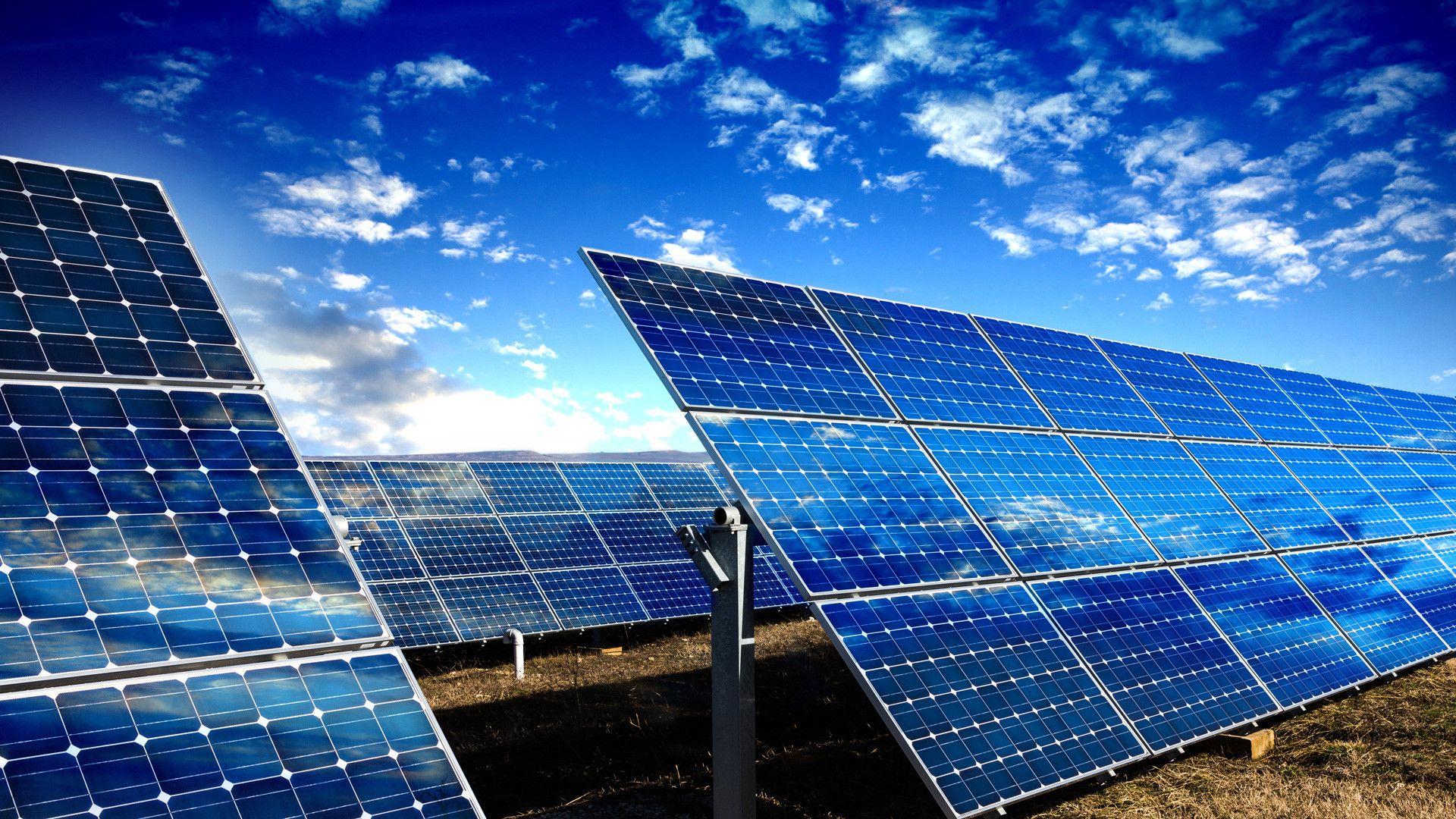
Imagine generating clean, reliable electricity from the sun, no matter where you live. From the scorching deserts to the frosty north, solar panels are proving their adaptability, powering homes and businesses across a stunning range of climates and geographies. But how exactly do they perform under such diverse conditions?
This is the question we’ll tackle today, exploring the factors that influence solar panel efficiency in different environments. Understanding these nuances is crucial, whether you’re considering a residential solar installation, planning a large-scale renewable energy project, or simply curious about the future of clean electricity. Investing in solar is a significant decision, and knowing how your panels will perform in your specific location will ensure you get the most out of your investment and contribute effectively to the sustainable transition.
Here's a practical consideration: Don't assume that solar panel performance is solely about sunshine. Temperature, humidity, and even altitude play significant roles. Researching how these elements impact efficiency in your specific region is a vital first step before making any decisions about your solar energy system.
With the right knowledge and planning, solar energy can be a viable and powerful source of clean electricity almost anywhere on Earth. Let's explore how different environments impact performance, and how to maximize your solar potential.
Understanding Solar Panel Performance Factors
Solar panel performance isn't a one-size-fits-all equation. Several environmental and geographical factors can significantly influence how efficiently your panels convert sunlight into usable energy. Ignoring these factors can lead to disappointment, while understanding them allows you to optimize your system for peak performance.
Sunlight Intensity (Irradiance): This is the most obvious factor. Areas with higher average sunlight intensity, measured in kilowatt-hours per square meter per day (k Wh/m²/day), generally produce more electricity. Locations near the equator typically receive the most intense sunlight, but cloud cover, atmospheric conditions, and seasonal variations all play a role.
Temperature: Solar panels, surprisingly, performlessefficiently at higher temperatures. This is because the semiconductor materials within the panels become less effective at converting photons into electrons as they heat up. This effect is quantified by the "temperature coefficient" on the panel's specification sheet. A lower (more negative) temperature coefficient indicates better performance in hot weather.
Cloud Cover and Shade: Clouds block direct sunlight, reducing the amount of irradiance reaching the panels. Even partial shading from trees, buildings, or other obstructions can drastically decrease power output. Careful site selection and panel placement are crucial to minimize shading.
Latitude and Tilt Angle: The angle at which sunlight strikes the panel affects its efficiency. Adjusting the tilt angle of your panels based on your latitude and the season can maximize energy production. Most installers will calculate the optimal angle for your location.
Humidity: High humidity can lead to increased corrosion and degradation of panel components over time, potentially reducing their lifespan and performance.
Altitude: At higher altitudes, the atmosphere is thinner, meaning there's less air to absorb and scatter sunlight. This can lead to increased solar irradiance and potentially higher panel output. However, higher altitudes can also experience more extreme temperature fluctuations.
Snowfall: Snow accumulating on solar panels can block sunlight and significantly reduce or completely halt electricity production. The weight of heavy snow can also potentially damage the panels or mounting structure. Many systems are designed with a tilt that allows snow to slide off, and some panels are specifically designed to withstand heavy loads.
Solar Performance in Different Climates
Now, let's dive into how these factors combine to affect solar panel performance in specific climate zones: Desert Climates:Deserts are known for their intense sunlight, which is a major advantage for solar energy. However, the high temperatures can negatively impact panel efficiency. Dust accumulation is another concern, as it can reduce the amount of sunlight reaching the panels. Regular cleaning is essential to maintain optimal performance. Choosing panels with a low-temperature coefficient and durable construction is crucial for desert environments.
Temperate Climates: Temperate regions typically experience moderate sunlight intensity and temperature. Seasonal variations in sunlight hours and cloud cover can impact energy production. The ideal tilt angle will need to be adjusted a few times per year to optimize for the summer and winter sun angles. Solar panels can perform well in temperate climates with proper system design and maintenance.
Tropical Climates: Tropical climates are characterized by high humidity, frequent rainfall, and intense sunlight. The high humidity can accelerate corrosion, so panels with robust weatherproofing are essential. The heavy rainfall can actually help to keep the panels clean.
Cold Climates: While cold temperatures can be beneficial for solar panel efficiency, snowfall and shorter daylight hours can reduce overall energy production. Selecting panels designed to withstand heavy snow loads and using a steeper tilt angle to facilitate snow shedding are important considerations. Some studies have shown that solar panels can perform exceptionally well in cold, sunny conditions due to the combination of high irradiance and low temperatures.
Coastal Climates: Coastal areas are exposed to salty air, which can corrode metal components of solar panels and mounting structures. Choosing corrosion-resistant materials is crucial for ensuring long-term performance and reliability. High winds are also common in coastal regions, so selecting panels and mounting systems that can withstand strong winds is important.
People Also Ask:
What type of solar panels work best in hot climates?
Monocrystalline panels tend to perform slightly better in hot climates compared to polycrystalline panels due to their generally lower temperature coefficients. However, any panel with a low (more negative) temperature coefficient will be a better choice for maintaining efficiency in high temperatures.
Do solar panels work on cloudy days?
Yes, solar panels still generate electricity on cloudy days, although at a reduced output. Diffuse sunlight can still penetrate clouds and reach the panels, but the power output will be significantly lower compared to sunny conditions.
How does snow affect solar panel performance?
Snow accumulation can block sunlight and significantly reduce or completely halt electricity production. The weight of heavy snow can also potentially damage the panels or mounting structure.
Strategies for Optimizing Solar Performance
No matter where you live, there are several strategies you can employ to optimize the performance of your solar panel system: Panel Selection:Choose panels specifically designed for your climate. Consider factors like temperature coefficient, weatherproofing, and durability.
System Design: Work with a qualified solar installer to design a system that is optimized for your location and energy needs. This includes selecting the appropriate panel size, inverter, and mounting system.
Panel Orientation and Tilt: Optimize the orientation and tilt angle of your panels to maximize sunlight exposure throughout the year. This may involve adjusting the tilt angle seasonally.
Shading Analysis: Conduct a thorough shading analysis to identify potential sources of shading and minimize their impact on panel performance. This may involve trimming trees or relocating panels.
Regular Cleaning: Keep your panels clean to remove dust, dirt, and debris that can block sunlight. The frequency of cleaning will depend on your local environment.
Monitoring System Performance: Install a monitoring system to track the performance of your solar panels and identify any potential issues. This will allow you to take corrective action promptly.
Professional Maintenance: Schedule regular professional maintenance inspections to ensure your system is operating at peak efficiency and to identify any potential problems before they become major issues.
The Future of Solar Technology and Climate Resilience
Solar technology is constantly evolving, with new innovations aimed at improving performance in challenging climates. For example, researchers are developing solar panels with improved temperature coefficients and enhanced weatherproofing. Bifacial solar panels, which can generate electricity from both the front and back sides, are also gaining popularity as they can capture reflected light and increase energy production, especially in environments with high reflectivity like snow-covered areas.
Furthermore, advancements in energy storage technology are making solar energy more reliable and accessible, even in regions with intermittent sunlight. Battery storage systems can store excess solar energy generated during the day and provide power when the sun isn't shining.
As the world transitions to a clean energy future, solar energy will play an increasingly important role. By understanding how solar panels perform in different climates and geographies, and by implementing strategies to optimize their performance, we can unlock the full potential of this renewable energy source and contribute to a more sustainable future for all.
Regardless of your location, solar energy is an increasingly viable option for powering your home or business. By carefully considering the factors discussed here and working with experienced professionals, you can design a solar system that thrives in your specific climate and geography, contributing to a cleaner and more sustainable world. The sun’s energy is there for us – let’s harness it!