
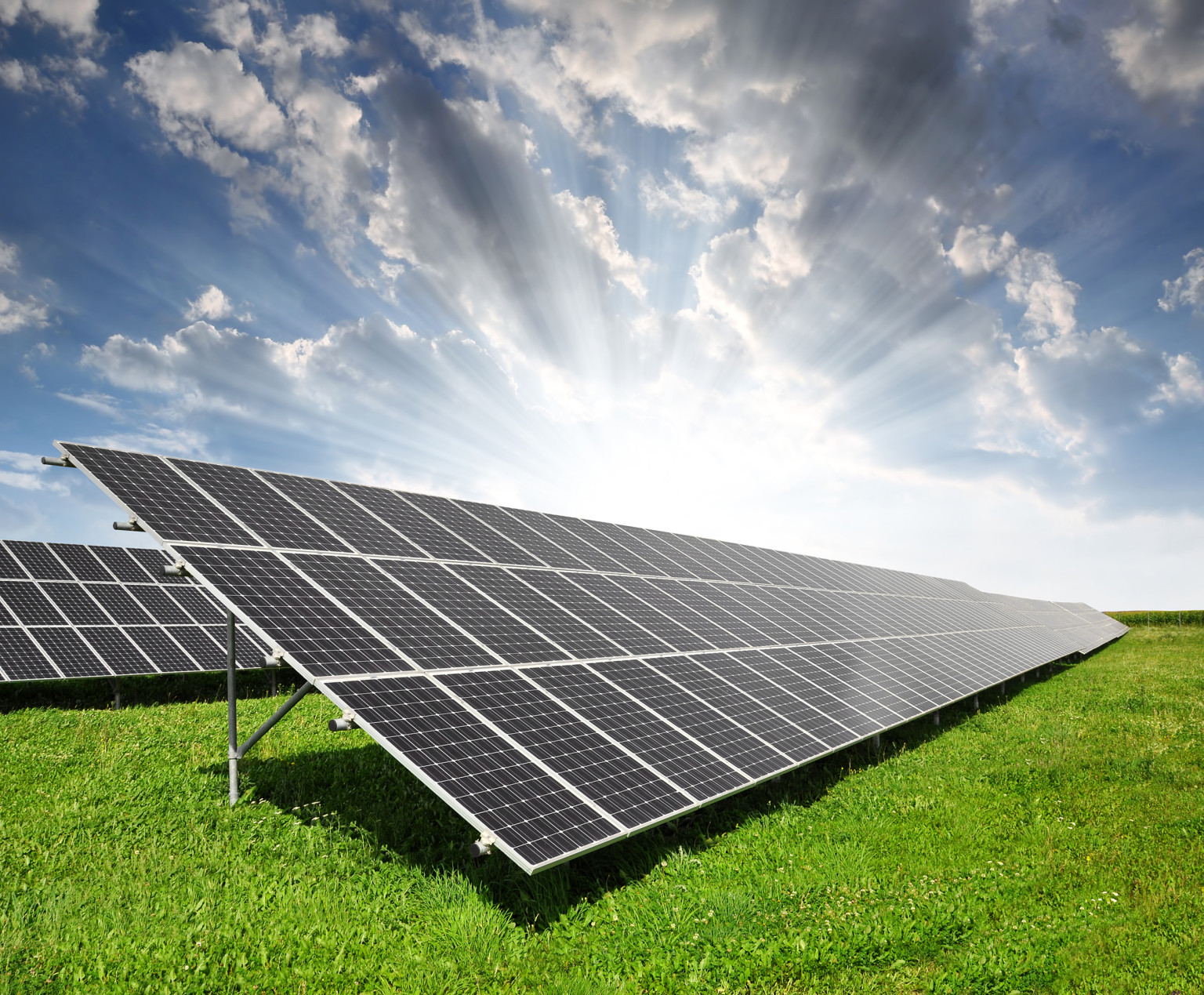
Imagine a world where the sun not only brightens your day but also actively lowers your electricity bill, all while contributing to a healthier planet. That future is closer than you think, largely thanks to the increasing adoption of solar power. But how exactly does harnessing the sun's energy ripple through the complex world of utility pricing and rate structures? The answer involves understanding the shifting dynamics between energy supply, demand, and the evolving grid.
The proliferation of solar energy, both large-scale solar farms and rooftop solar panels, is fundamentally changing the way utility companies operate and, consequently, how they price electricity. As more consumers and businesses generate their own clean electricity, the traditional model of centralized power generation and distribution is being challenged, creating both opportunities and complexities for utility rate structures. Understanding these changes is crucial for homeowners considering solar, businesses planning their energy strategies, and anyone interested in the sustainable transition towards a cleaner energy future. After all, informed decisions lead to better outcomes, both for your wallet and the planet.
Here’s a practical insight: start examining your current electricity bill closely. Look beyond just the total amount due. Understand the different charges, how they are calculated, and when peak demand periods occur in your region. This baseline knowledge will be invaluable as you explore the potential impacts of solar power and evolving rate structures on your specific energy costs.
How Solar Impacts the Duck Curve and Utility Costs
The rise of solar power has a significant effect on the daily electricity demand curve, often referred to as the "duck curve." This curve illustrates the difference between peak demand and the amount of electricity being supplied by renewable sources, primarily solar. During the day, when solar generation is high, the net demand for electricity from the grid decreases, creating the "belly" of the duck. However, as the sun sets and solar generation declines, demand sharply increases, forming the "neck" of the duck.
This fluctuation presents challenges for utility companies. They must rapidly ramp up other power sources, like natural gas plants, to meet the evening peak demand. This quick ramping can be inefficient and costly. Furthermore, the increased daytime solar generation can push wholesale electricity prices down, impacting the revenue of traditional power plants. These changes ultimately affect how utilities set their rates for all customers.
People Also Ask: What is the Duck Curve?
The "duck curve" is a graph that shows the mismatch between peak electricity demand and solar power generation throughout the day. It looks like a duck, with the belly representing lower demand during the day due to solar power and the neck representing a steep increase in demand in the evening when the sun goes down.
People Also Ask: How does solar affect wholesale electricity prices?
When solar power generation is high, it increases the supply of electricity, which can drive down wholesale prices. This can benefit consumers but also creates challenges for traditional power plants that may struggle to compete.
Net Metering and Feed-in Tariffs: Rewarding Solar Producers
One of the most direct ways solar power affects utility pricing is through net metering policies. Net metering allows homeowners and businesses with solar panels to receive credit on their electricity bills for the excess electricity they send back to the grid. In essence, the utility company acts as a storage system, crediting solar producers for the power they contribute. This credit typically offsets the electricity they consume from the grid at night or on cloudy days.
Feed-in tariffs (FITs) are another incentive mechanism. Unlike net metering, FITs offer a fixed price per kilowatt-hour (k Wh) for all electricity generated by solar panels, regardless of whether it is used on-site or sent to the grid. FITs are often more generous than net metering rates and are designed to encourage greater investment in renewable energy. However, they can also be more expensive for utility companies and, consequently, for ratepayers without solar.
The prevalence of net metering and FITs significantly impacts utility revenue. As more customers generate their own electricity and reduce their reliance on the grid, utilities sell less electricity. This can lead to utilities increasing rates for non-solar customers to compensate for the lost revenue and maintain grid infrastructure. The debate surrounding fair compensation for solar producers and equitable rate structures for all consumers is ongoing and varies significantly by region.
People Also Ask: What is the difference between net metering and feed-in tariffs?
Net metering credits solar producers for excess electricity sent to the grid, offsetting their electricity consumption. Feed-in tariffs, on the other hand, pay a fixed price for all electricity generated by solar panels, regardless of whether it's used on-site or sent to the grid.
Time-of-Use Rates and Demand Charges: Adapting to Solar Variability
To better manage the challenges posed by solar variability and the duck curve, many utilities are implementing time-of-use (TOU) rates. TOU rates charge different prices for electricity depending on the time of day. Electricity is typically cheaper during off-peak hours, when demand is low, and more expensive during peak hours, when demand is high. This incentivizes consumers to shift their electricity usage to off-peak times, helping to flatten the demand curve and reduce the need for expensive peak power generation.
For solar owners, TOU rates can be both beneficial and challenging. If solar panels generate most of their electricity during peak hours, solar owners can receive higher credits for the electricity they send back to the grid. However, if they consume most of their electricity during peak hours (e.g., running air conditioning in the evening), they may end up paying more.
Demand charges are another type of rate structure that is becoming more common, particularly for commercial and industrial customers. Demand charges are based on the highest amount of electricity a customer uses at any one time during the billing cycle. They are designed to recover the costs of maintaining grid infrastructure that must be available to meet peak demand. Solar power can help reduce demand charges by lowering a customer's peak demand from the grid.
The Future of Utility Pricing: Smart Grids and Distributed Energy Resources
The integration of solar power into the grid is driving the development of smart grids and distributed energy resources (DERs). Smart grids use advanced technologies, such as sensors, data analytics, and communication networks, to optimize the flow of electricity and improve grid reliability. DERs include solar panels, battery storage, electric vehicles, and other technologies that are located closer to the point of consumption.
These technologies enable utilities to better manage the variability of solar power, reduce grid congestion, and improve the overall efficiency of the electricity system. For example, battery storage can store excess solar energy during the day and release it during peak hours, reducing the need for expensive peak power generation. Smart grids can also enable more sophisticated rate structures, such as real-time pricing, which reflects the actual cost of electricity at any given moment.
As the adoption of solar power and other DERs continues to grow, utility pricing will likely become more complex and dynamic. Consumers will need to become more informed about their energy usage and actively manage their electricity consumption to take advantage of new rate structures and maximize their savings. The move to decarbonization is a journey, and understanding the complexities of utility pricing is a key step along the way.
The Role of Energy Storage in Stabilizing Costs
Energy storage, particularly battery storage, is playing an increasingly crucial role in mitigating the impact of solar variability on utility pricing. As mentioned earlier, solar power generation fluctuates throughout the day, creating challenges for grid operators who must balance supply and demand. Battery storage can absorb excess solar energy when it is abundant and discharge it when it is needed most, smoothing out the peaks and valleys of the demand curve.
This ability to store and dispatch solar energy has several benefits. It reduces the need for utilities to ramp up expensive and often polluting power plants to meet peak demand. It also allows utilities to better integrate solar power into the grid without causing instability. Furthermore, it can provide backup power during outages, improving grid reliability.
The cost of battery storage has been declining rapidly in recent years, making it increasingly affordable for both residential and commercial customers. As more customers install battery storage systems, the grid will become more resilient and the need for drastic rate adjustments to accommodate solar variability will diminish. This means a more stable and predictable electricity pricing environment for everyone.
Policy and Regulatory Considerations Shaping Solar's Impact
The impact of solar power on utility pricing is also heavily influenced by government policies and regulations. These policies can range from tax credits and rebates for solar installations to mandates for renewable energy generation. The specific policies in place can significantly affect the economics of solar power and, consequently, its impact on utility rates.
For example, strong net metering policies can encourage more homeowners and businesses to install solar panels, leading to greater reductions in grid demand and potentially lower electricity prices. Conversely, policies that restrict net metering or impose additional fees on solar customers can hinder solar adoption and limit its impact on utility rates.
Regulatory bodies, such as public utility commissions, play a critical role in setting utility rates and ensuring that they are fair and equitable for all customers. They must balance the interests of solar producers, non-solar customers, and the utility companies themselves. This often involves complex analyses of the costs and benefits of solar power, as well as careful consideration of the long-term sustainability of the electricity system.
Navigating these complex and evolving policies requires a proactive approach. Staying informed about the latest regulatory developments and advocating for policies that support both solar adoption and fair utility pricing is essential for ensuring a sustainable and affordable energy future.
The transition to a cleaner, more sustainable energy system is a complex undertaking, but the possibilities are immense. Understanding how solar power interacts with utility pricing and rate structures empowers you to make informed decisions, advocate for fair policies, and contribute to a future where clean, affordable energy is accessible to all. You have the power to be part of this positive change.