
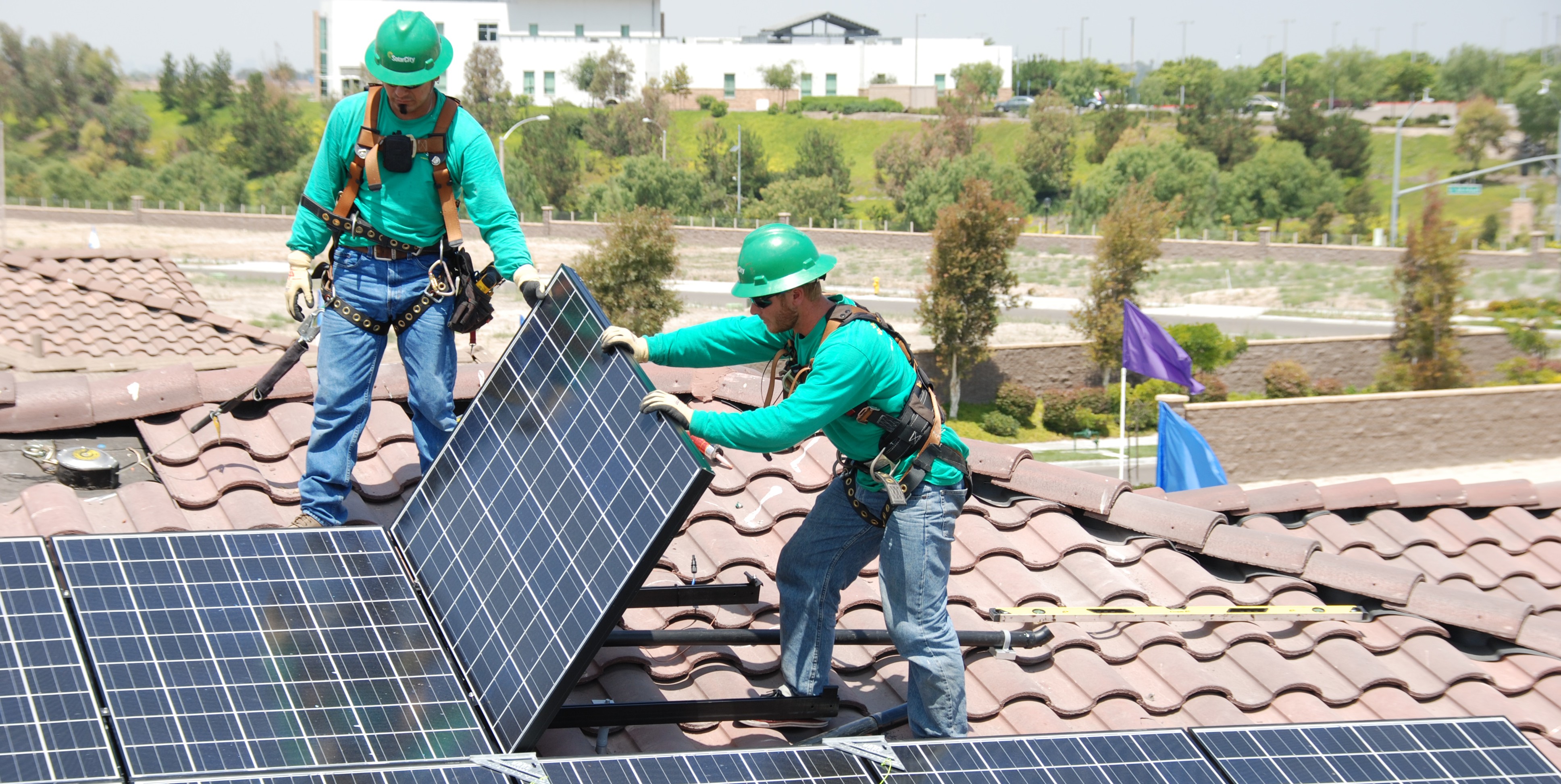
Imagine a future where every family has access to safe, affordable housing powered by the sun. It’s not just a dream; it's an achievable goal, and developers are at the forefront of making it a reality.
Integrating solar energy into affordable housing projects is a powerful strategy for reducing energy costs for residents, promoting environmental sustainability, and enhancing the long-term value of these communities. It’s about creating resilient, equitable, and environmentally responsible living spaces. As developers navigate the complexities of these projects, understanding the available resources, incentives, and innovative financing models becomes crucial for success. This article explores actionable strategies for incorporating solar into affordable housing, turning aspirations into tangible benefits for residents and communities alike.
One often-overlooked aspect is community engagement. Involving residents in the planning process not only ensures the solar installation meets their needs but also fosters a sense of ownership and pride, which can significantly contribute to the project's long-term success and acceptance.
Understanding the Benefits of Solar in Affordable Housing
Integrating solar power into affordable housing extends far beyond simply reducing utility bills; it unlocks a cascade of benefits that positively impact residents, developers, and the wider community. For residents, the most immediate advantage is significantly lower energy costs. This can free up household income for other essential needs like food, healthcare, and education, improving their overall financial stability. In many cases, solar can effectively eliminate the burden of electricity bills, creating more predictable and manageable household budgets.
Beyond individual savings, solar energy enhances the quality of life for residents. By reducing reliance on fossil fuels, solar contributes to cleaner air and a healthier living environment, especially crucial in urban areas where air quality can be a significant concern. Furthermore, solar panels increase the property value of affordable housing, making these developments more attractive and sustainable in the long run.
For developers, incorporating solar can unlock various financial incentives, including tax credits, grants, and rebates, which can significantly offset the initial investment costs. Solar also aligns with corporate social responsibility goals, enhancing a developer's reputation and attracting socially conscious investors. Moreover, demonstrating a commitment to sustainability can provide a competitive edge in securing project approvals and attracting residents.
From a community perspective, wider adoption of solar power helps reduce the carbon footprint of the housing sector, contributing to local and national climate goals. It also fosters energy independence and resilience, shielding communities from fluctuating energy prices and potential grid disruptions. Solar projects can create local jobs in installation, maintenance, and related industries, boosting the local economy and providing valuable skills training for residents.
Navigating Financing and Incentive Programs
Securing financing for solar installations in affordable housing can seem daunting, but a diverse range of federal, state, and local incentive programs are specifically designed to support these initiatives. Understanding and leveraging these programs is essential for making solar financially viable.
The federal Investment Tax Credit (ITC) is one of the most significant incentives, offering a substantial tax credit for a percentage of the cost of the solar system. This credit can be directly applied to reduce the developer's federal income tax liability, making solar a much more attractive investment.
Many states offer their own renewable energy incentives, such as rebates, tax credits, and grants, which can be layered on top of the federal ITC. These state-level incentives can vary widely, so it's crucial to research the specific programs available in your project's location. For example, some states offer performance-based incentives, which provide payments based on the amount of electricity generated by the solar system.
Local governments may also offer incentives, such as property tax abatements or streamlined permitting processes, to encourage solar development. Utility companies sometimes offer rebates or net metering programs, which allow residents to sell excess solar energy back to the grid for credit on their electricity bills.
Exploring innovative financing models can also help overcome upfront cost barriers. Power Purchase Agreements (PPAs) allow a third-party owner to install and maintain the solar system, selling the electricity to the affordable housing provider at a predetermined rate. This eliminates the need for the developer to invest in the solar system directly, while still providing residents with access to clean, affordable energy.
Another promising approach is crowdfunding, which allows developers to raise capital from a large number of individuals who are interested in supporting sustainable initiatives. This can be a particularly effective strategy for projects that align with community values and have a strong social impact.
People Also Ask:
What is a Power Purchase Agreement (PPA) and how does it work?
A Power Purchase Agreement (PPA) is a contract between a solar developer and a customer (in this case, an affordable housing provider) where the developer owns, operates, and maintains the solar system on the customer's property. The customer agrees to purchase the electricity generated by the system at a predetermined rate, which is often lower than the price of electricity from the grid. This allows the customer to benefit from solar energy without having to invest in the system directly.
How can I find out about specific solar incentives available in my state?
The best way to find out about specific solar incentives in your state is to visit the Database of State Incentives for Renewables & Efficiency (DSIRE) website. DSIRE is a comprehensive online resource that provides detailed information on federal, state, and local incentives and policies that support renewable energy and energy efficiency. You can also contact your state energy office or local utility company for assistance.
Are there any specific grant programs that support solar in affordable housing?
Yes, several grant programs specifically support solar in affordable housing. The U.S. Department of Housing and Urban Development (HUD) offers various programs that can be used to finance energy efficiency and renewable energy improvements in affordable housing. The Low-Income Home Energy Assistance Program (LIHEAP) can also be used to help low-income families pay for energy costs. Additionally, many private foundations and organizations offer grants for sustainable development projects, including solar installations in affordable housing.
Optimizing Solar Design and Installation for Affordability
Designing and installing solar systems for affordable housing requires a strategic approach that prioritizes cost-effectiveness, energy efficiency, and long-term performance. Carefully planning the design and installation process can significantly reduce costs and maximize the benefits for residents.
One of the most important considerations is optimizing the size of the solar system to match the energy needs of the building and its residents. Conducting a thorough energy audit of the building can help determine the appropriate system size and identify opportunities to improve energy efficiency. Reducing energy consumption through measures like insulation upgrades, energy-efficient appliances, and LED lighting can significantly lower the required solar capacity and reduce overall project costs.
Choosing the right type of solar panels is also crucial. While high-efficiency panels may have a higher upfront cost, they can generate more electricity per square foot, reducing the overall footprint of the system and potentially lowering installation costs. Thin-film solar panels can be a cost-effective option for large-scale installations, as they are often less expensive than traditional silicon panels.
Simplifying the installation process can also reduce costs. Standardized designs and modular systems can streamline installation, reducing labor costs and minimizing disruptions to residents. Partnering with experienced solar installers who have a track record of working on affordable housing projects can also help ensure a smooth and efficient installation process.
Beyond the technical aspects, consider the aesthetic integration of the solar system into the building's design. Integrating solar panels into the roof or facade can enhance the building's appearance and increase its appeal to residents. Community solar projects, where multiple buildings share a single solar system, can also be a cost-effective option for larger affordable housing developments.
Community Engagement and Education
Successful solar projects in affordable housing are not just about installing panels; they're about fostering community engagement and educating residents about the benefits of solar energy. Involving residents in the planning process and providing them with the knowledge and resources they need to understand and utilize solar energy can significantly enhance the project's impact and sustainability.
Start by holding community meetings to gather input from residents on the design and implementation of the solar project. Explain the benefits of solar energy in clear, accessible language and address any concerns or questions they may have. Providing visual aids, such as diagrams and renderings, can help residents understand how the solar system will work and how it will benefit them.
Offer training programs for residents on energy conservation and solar system maintenance. Teaching residents how to read their energy bills, identify energy waste, and properly maintain the solar system can help them maximize their savings and ensure the long-term performance of the system. These training programs can also provide residents with valuable skills that can help them find employment in the growing clean energy sector.
Create educational materials, such as brochures, fact sheets, and videos, that explain the benefits of solar energy and provide tips on energy conservation. Distribute these materials through community centers, libraries, and other local organizations. Host workshops and events that showcase the solar project and celebrate its success. This can help build community pride and inspire others to adopt solar energy.
Establishing a resident advisory committee can provide a platform for ongoing communication and feedback between residents and the developer. This committee can help ensure that the solar project continues to meet the needs of the community and address any challenges that may arise.
Ensuring Long-Term Sustainability and Maintenance
The long-term success of solar installations in affordable housing depends on ensuring proper maintenance and ongoing sustainability. Regular maintenance is essential for maximizing the performance and lifespan of the solar system, while sustainability planning ensures that the project continues to deliver benefits to residents and the community for years to come.
Develop a comprehensive maintenance plan that includes regular inspections, cleaning, and repairs. Solar panels should be inspected periodically for damage or degradation, and cleaned to remove dirt and debris that can reduce their efficiency. Inverters, which convert the DC electricity generated by the panels into AC electricity, should also be regularly inspected and maintained.
Establish a monitoring system that tracks the performance of the solar system and alerts maintenance personnel to any problems. This can help identify issues early on and prevent them from escalating into more costly repairs. Consider purchasing a maintenance contract from the solar installer or a third-party provider. These contracts typically cover routine maintenance, repairs, and replacements, providing peace of mind and ensuring that the solar system is properly maintained.
Plan for the eventual replacement of the solar panels and inverters. Solar panels typically have a lifespan of 25-30 years, while inverters may need to be replaced every 10-15 years. Setting aside funds for these replacements can help ensure that the solar system continues to operate efficiently for its entire lifespan.
Finally, engage with the community to ensure their continued support for the solar project. Provide ongoing education and training to residents on energy conservation and solar system maintenance. Celebrate the successes of the project and highlight the benefits it is providing to the community.
The integration of solar energy into affordable housing projects is more than just a trend; it’s a pathway to a brighter, more equitable future. By embracing innovative financing, optimizing system design, engaging with communities, and ensuring long-term sustainability, developers can play a pivotal role in creating affordable, resilient, and environmentally responsible living spaces for all.